What role did S’Illot play in Mallorca’s history during different eras?
Similar Topics
S’Illot history
Mallorca tourism
Talaiotic culture
Roman Empire Mallorca
Moorish architecture
Mallorca beaches
cultural events S’Illot
archaeological sites Mallorca
traditional charm Mallorca
eastern coast Mallorca
S’Illot, a charming village on the eastern coast of Mallorca, has a rich and varied history that reflects the island's diverse cultural influences over the centuries. Initially, it was inhabited during prehistoric times, as evidenced by the nearby Talayots, which are ancient stone structures built by the Talaiotic culture. These fascinating relics indicate that the area was significant for early settlers, who utilized its strategic coastal location for trade and defense. The archaeological remains, including burial sites and ancient dwellings, provide a glimpse into the life of these early inhabitants and their connection to the land.
As time progressed, S’Illot became part of the Roman Empire, which further impacted its development. The Romans established settlements throughout Mallorca, enhancing trade and agriculture in the region. S’Illot's location made it a valuable coastal settlement, contributing to the island's economy. After the fall of the Roman Empire, the village transitioned through various rulers, including the Moors, who left their mark on the island's architecture and agricultural practices, further enriching its cultural tapestry.
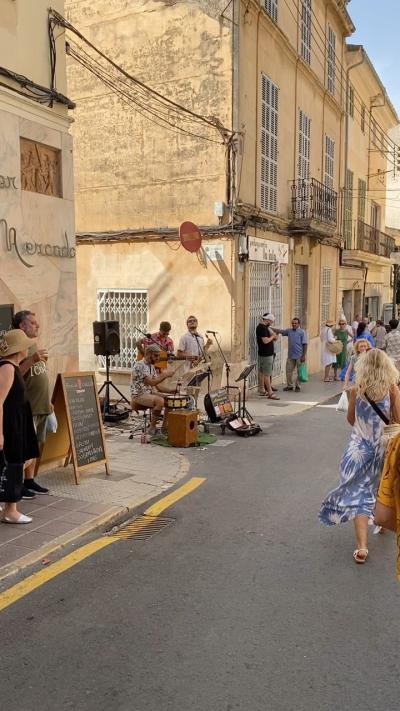
In more recent history, particularly in the 20th century, S’Illot transformed into a popular tourist destination, attracting visitors drawn to its beautiful beaches and natural landscapes. The influx of tourism has allowed the village to flourish, yet it has managed to retain much of its traditional charm. The local community celebrates its heritage through festivals and cultural events, ensuring that visitors can experience a blend of history and modernity. Today, S’Illot stands as a testament to the island's enduring spirit, where the echoes of the past can still be felt amid the vibrant life of the present.
As time progressed, S’Illot became part of the Roman Empire, which further impacted its development. The Romans established settlements throughout Mallorca, enhancing trade and agriculture in the region. S’Illot's location made it a valuable coastal settlement, contributing to the island's economy. After the fall of the Roman Empire, the village transitioned through various rulers, including the Moors, who left their mark on the island's architecture and agricultural practices, further enriching its cultural tapestry.
In more recent history, particularly in the 20th century, S’Illot transformed into a popular tourist destination, attracting visitors drawn to its beautiful beaches and natural landscapes. The influx of tourism has allowed the village to flourish, yet it has managed to retain much of its traditional charm. The local community celebrates its heritage through festivals and cultural events, ensuring that visitors can experience a blend of history and modernity. Today, S’Illot stands as a testament to the island's enduring spirit, where the echoes of the past can still be felt amid the vibrant life of the present.
Palma
More Fotos