How did the Christian reconquest shape the culture and traditions of the Balearic Islands?
Similar Topics
balearic reconquest
christian influence
moorish heritage
palma traditions
serra de tramuntana
catalan culture
traditional festivals
sobrassada
Many visitors arrive expecting the Balearics to reflect only the Christian heritage visible today, but the story beneath the surface is far richer. For centuries before the Christian reconquest in the 13th century, the islands were under Islamic influence, which left enduring marks on architecture, agriculture, and language. When King James I of Aragon conquered Mallorca in 1229, he established Christian rule that transformed religious life and governance, yet many Islamic customs lingered and blended with Christian traditions.
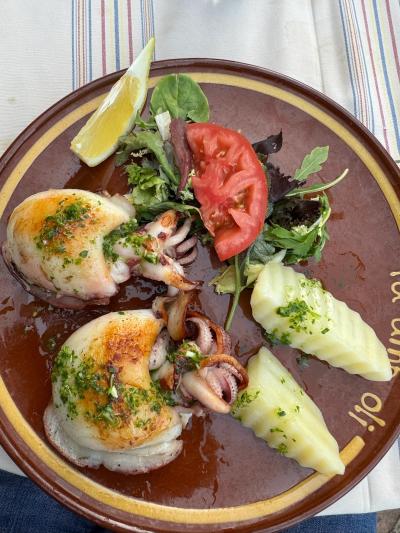
In towns like Palma and Valldemossa, the transition is evident in the layers of history: Romanesque churches stand near remnants of Moorish baths and stonework, reflecting a fusion rather than a replacement of cultures. Local festivals, such as the vibrant Sant Sebastià in Palma, incorporate folkloric elements that likely have roots in earlier agricultural and seasonal rites, reinterpreted through Christian symbolism. Culinary traditions too reveal this intertwined past — sobrassada, pa amb oli, and contributions to the local wine culture carry hints of Mediterranean agricultural techniques introduced during Islamic rule but adapted over centuries.
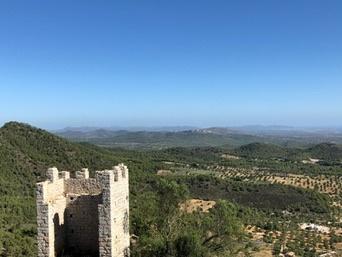
Demographically, the reconquest led to the resettlement of Christians from Catalonia and Aragon, which reshaped the island’s language and customs, embedding Catalan as the dominant tongue. Yet, Arabic influence survives in place names and certain agricultural practices, especially in irrigation methods still seen in rural areas of the Serra de Tramuntana. This layered heritage has created a unique cultural landscape that resonates in every corner of the island, from the almond blossom festivals of the Serra to the soulful Aires of the Ma-10 winding through Deia and Sóller. Rather than erasing the past, the reconquest redefined it, leaving a multicultural tapestry that colors life here to this day.
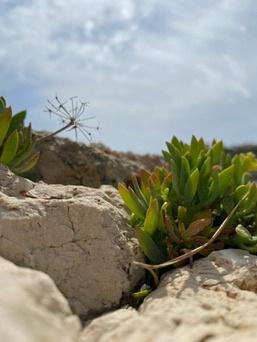
Cala Santanyí
More Fotos