How do the dining options differ between Palma and other parts of the island?
Similar Topics
Palma dining
Mallorca cuisine
traditional tapas
Michelin restaurants Mallorca
Mediterranean dishes
local produce Mallorca
family-run restaurants
fresh seafood Mallorca
Mallorcan food culture
beachfront seafood shacks
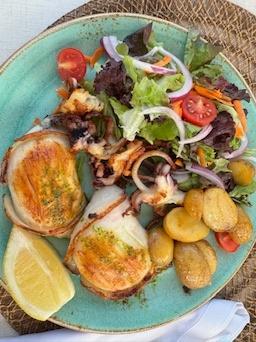
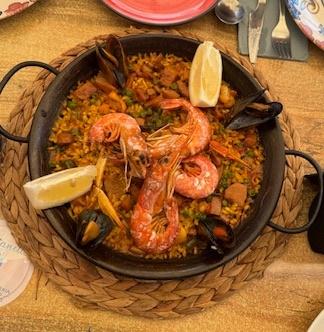
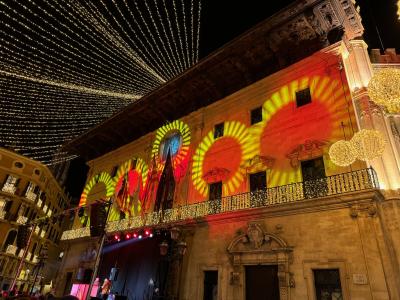
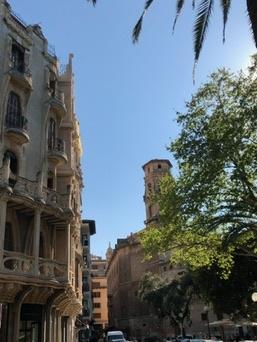
Palma, the vibrant capital of Mallorca, offers a diverse and dynamic dining scene that reflects both its rich culinary heritage and contemporary influences. In the city, you can find everything from traditional tapas bars nestled in the charming old town to upscale restaurants boasting Michelin stars. The dining options here are often marked by a fusion of local ingredients and international flavors, allowing visitors to savor everything from fresh seafood to innovative Mediterranean dishes. The bustling atmosphere of Palma also means that many establishments are open late, providing ample opportunities to enjoy leisurely meals or late-night snacks while soaking in the city's vibrant nightlife.
In contrast, other parts of the island present a different culinary landscape, often rooted in traditional Mallorcan cuisine. In smaller towns and rural areas, dining tends to be more rustic and laid-back, focusing on local produce and time-honored recipes. Here, you can discover family-run restaurants serving hearty dishes like sobrasada (a cured sausage) and tumbet (a vegetable dish), often accompanied by locally produced wines. The slower pace of life in these regions allows for a more intimate dining experience, where you can engage with locals and learn about the island’s culinary traditions firsthand.
While Palma thrives on its cosmopolitan flair, other parts of Mallorca invite you to explore the island's agricultural bounty and traditional food culture. The coastal areas, for instance, often feature beachfront seafood shacks that specialize in freshly caught fish, served simply to highlight their natural flavors. Each region of the island has its unique charm and gastronomic offerings, ensuring that whether you’re in the bustling heart of Palma or the serene countryside, you will have the opportunity to indulge in Mallorca's rich and varied culinary scene.
In contrast, other parts of the island present a different culinary landscape, often rooted in traditional Mallorcan cuisine. In smaller towns and rural areas, dining tends to be more rustic and laid-back, focusing on local produce and time-honored recipes. Here, you can discover family-run restaurants serving hearty dishes like sobrasada (a cured sausage) and tumbet (a vegetable dish), often accompanied by locally produced wines. The slower pace of life in these regions allows for a more intimate dining experience, where you can engage with locals and learn about the island’s culinary traditions firsthand.
While Palma thrives on its cosmopolitan flair, other parts of Mallorca invite you to explore the island's agricultural bounty and traditional food culture. The coastal areas, for instance, often feature beachfront seafood shacks that specialize in freshly caught fish, served simply to highlight their natural flavors. Each region of the island has its unique charm and gastronomic offerings, ensuring that whether you’re in the bustling heart of Palma or the serene countryside, you will have the opportunity to indulge in Mallorca's rich and varied culinary scene.
Cala Figuera
More Fotos