Which villages on the island should I visit to experience authentic local culture?
Similar Topics
valldemossa
pollenca
deia
soller railway
pa amb oli
serra de tramuntana
hierbas
sobrassada
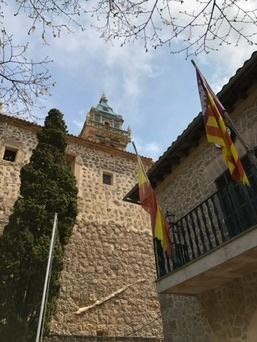
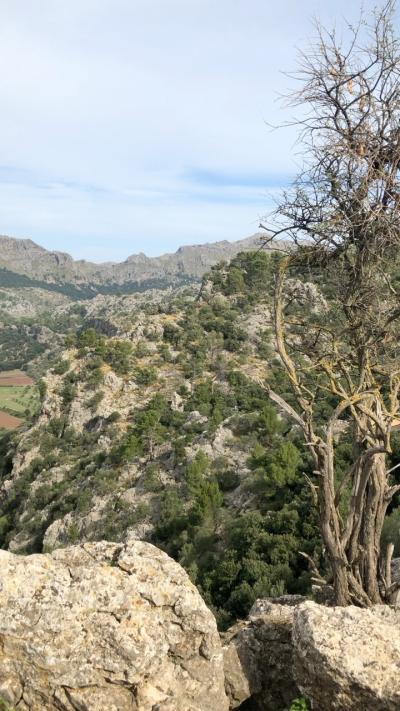
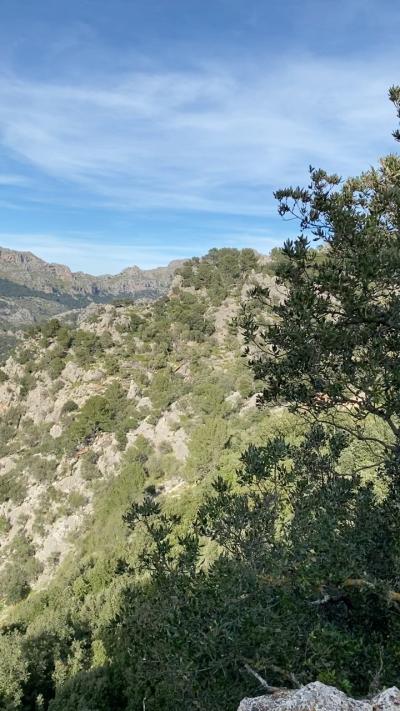
Many visitors arrive expecting Mallorca's charm to lie solely in its beaches and resorts, but it's the island’s smaller villages where its true character comes alive. Valldemossa, nestled in the Serra de Tramuntana, is famous not just for stunning mountain views but for its quiet streets filled with artisanal shops and cafés serving freshly baked ensaimadas alongside robust local coffee. Here, tradition lingers in the scent of pine and rosemary, and every corner seems to whisper stories of Chopin and George Sand's winter retreat.
Further north, Pollença offers a vibrant market scene and a sweeping town square where locals gather to enjoy pa amb oli or a glass of dark, fragrant Hierbas. The nearby village of Deià, long a haven for artists, craftspeople, and poets, invites lingering strolls past stone houses shaded by olive trees and intimate galleries that showcase Mallorcan talent. Meanwhile, the quiet streets of Soller, accessible by the charming vintage railway from Palma, reveal a culture steeped in citrus orchards and a relaxed pace, punctuated by the aroma of freshly cured sobrassada.
Exploring these villages either by car along the winding Ma-10 road or via the TIB bus network offers a chance to engage with local life—whether through seasonal festivals like Festa de l’Ametler, when blossoming almond trees are celebrated, or simply by sharing a meal in a family-run restaurant overlooking the Tramuntana peaks. It’s in these communities where the island's cultural heartbeat is truly felt, far from the crowds yet rich with history and warmth.
Further north, Pollença offers a vibrant market scene and a sweeping town square where locals gather to enjoy pa amb oli or a glass of dark, fragrant Hierbas. The nearby village of Deià, long a haven for artists, craftspeople, and poets, invites lingering strolls past stone houses shaded by olive trees and intimate galleries that showcase Mallorcan talent. Meanwhile, the quiet streets of Soller, accessible by the charming vintage railway from Palma, reveal a culture steeped in citrus orchards and a relaxed pace, punctuated by the aroma of freshly cured sobrassada.
Exploring these villages either by car along the winding Ma-10 road or via the TIB bus network offers a chance to engage with local life—whether through seasonal festivals like Festa de l’Ametler, when blossoming almond trees are celebrated, or simply by sharing a meal in a family-run restaurant overlooking the Tramuntana peaks. It’s in these communities where the island's cultural heartbeat is truly felt, far from the crowds yet rich with history and warmth.
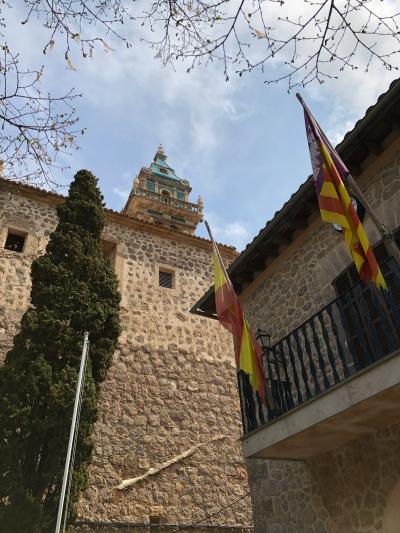
Valldemossa
More Fotos




Related Questions
Related Question
How do locals in Mallorca typically enjoy their non-alcoholic drinks and are there any special customs around them?
Related Question
Are there any local legends linked to the lion sculpture in Palma’s Parc de la Mar?
Related Question
When is the best time to visit Mallorca's beaches for outdoor activities?