Are there different tax rules for long-term rentals compared to short stays on Mallorca?
Similar Topics
long-term rentals
short-term rentals
occupancy tax
rental licenses
palma rentals
tourist tax
tax regulations
balearic rentals
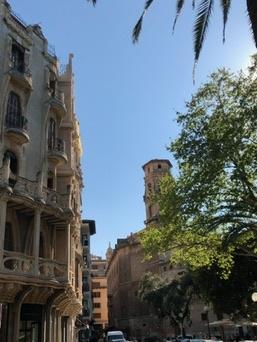
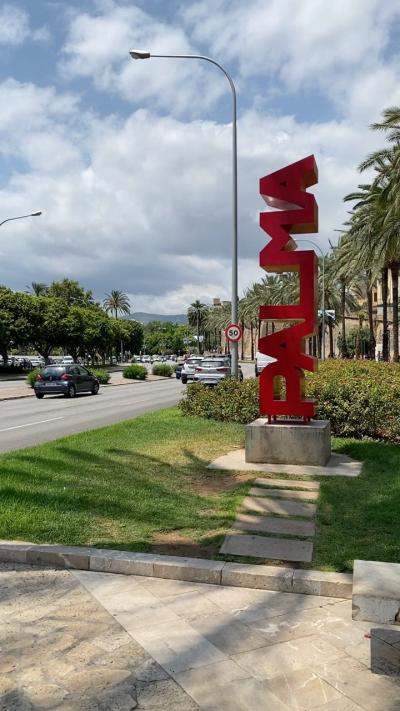
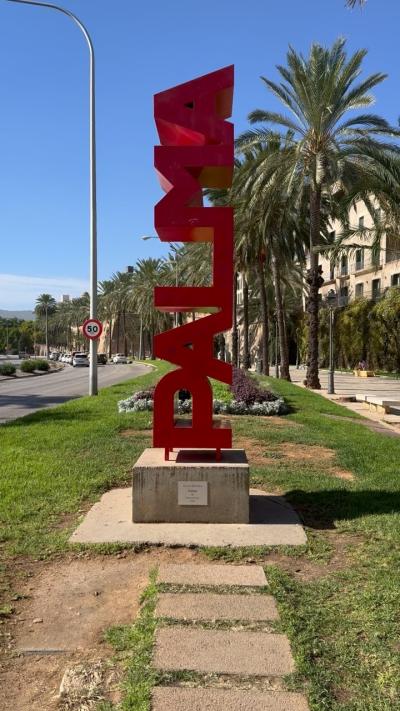
If you’re planning an extended stay rather than a quick getaway, it pays to understand how tax rules vary between long-term and short-term rentals here. Generally speaking, leases that run for six months or more aren’t typically subject to the tourist or occupancy taxes that short-term holiday lets must charge. For example, in towns like Palma or Soller, owners renting out their properties for longer terms usually deal with standard income tax on rental earnings but avoid the complexities of transient occupancy taxes that short stays face. This can make long-term rentals more straightforward and often more affordable for guests planning to settle in for a season or more.
Short-term rentals, which dominate in hotspot areas such as Cala Mondrago or Alcudia during summer, often require hosts to register and collect specific tourist taxes, contributing to regulations aimed at managing the island’s booming tourism. The rules also extend beyond tax: Alicante and Valencia have different licensing systems for holiday apartments, and while local authorities on Mallorca enforce strict licensing for short-term rentals (including safety and zoning checks), these don’t always apply to long lets. This division helps clarify the expectations and obligations both for landlords and tenants.
Before committing, it’s advisable to check local council guidelines or seek advice from experts familiar with Balearic property laws to avoid surprises about tax or permit requirements. Whether you’re browsing listings in Pollenca or considering a rural home near the Serra de Tramuntana, understanding these distinctions is key to a smooth rental experience on the island.
Short-term rentals, which dominate in hotspot areas such as Cala Mondrago or Alcudia during summer, often require hosts to register and collect specific tourist taxes, contributing to regulations aimed at managing the island’s booming tourism. The rules also extend beyond tax: Alicante and Valencia have different licensing systems for holiday apartments, and while local authorities on Mallorca enforce strict licensing for short-term rentals (including safety and zoning checks), these don’t always apply to long lets. This division helps clarify the expectations and obligations both for landlords and tenants.
Before committing, it’s advisable to check local council guidelines or seek advice from experts familiar with Balearic property laws to avoid surprises about tax or permit requirements. Whether you’re browsing listings in Pollenca or considering a rural home near the Serra de Tramuntana, understanding these distinctions is key to a smooth rental experience on the island.

Palma
More Fotos