What are the key differences between garigues and maquis vegetation on the island?
Similar Topics
garigues vegetation
maquis shrubland
serra de tramuntana
mallorca flora
thyme rosemary
holm oak
soil conservation
balearic biodiversity
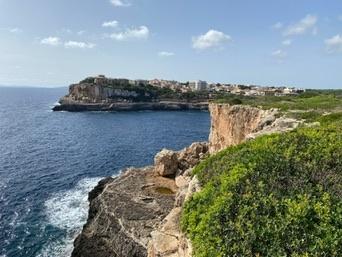
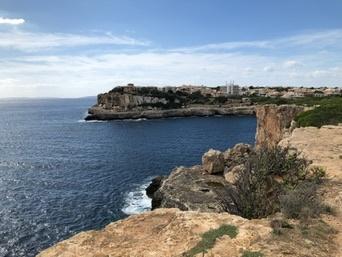
Dry, rocky terrain around towns like Valldemossa and Deià typically features garigues—low, open scrublands dominated by aromatic herbs such as thyme and rosemary. These hardy plants thrive on the limestone soils of the Serra de Tramuntana, surviving long stretches of hot, dry weather with sparse rainfall. The landscape is generally open and sun-drenched, offering a mosaic of small shrubs and grasses that support a distinct variety of wildlife adapted to this arid environment.
By contrast, maquis tends to cloak regions closer to the north coast and areas near Alcudia where soils are richer and moisture levels higher, especially in shaded glens or near streams. This denser, taller shrubland includes species like holm oak, myrtle, and laurel, creating a lush, thicketed habitat. The maquis's heavier vegetation cover plays an essential role in stabilizing soil along slopes and preventing erosion, particularly on hillsides visible from the Ma-10 road winding through the Tramuntana.
Both garigues and maquis contribute to the island’s natural heritage and biodiversity, appearing as complementary ecosystems shaped by varying microclimates and geology. Walking trails from Soller to Formentor reveal these transitions, offering glimpses of how the island's wild flora adapts to sun exposure and water availability. Their coexistence enriches Mallorca's landscape, providing habitat diversity that supports everything from nesting birds to endemic plants.
By contrast, maquis tends to cloak regions closer to the north coast and areas near Alcudia where soils are richer and moisture levels higher, especially in shaded glens or near streams. This denser, taller shrubland includes species like holm oak, myrtle, and laurel, creating a lush, thicketed habitat. The maquis's heavier vegetation cover plays an essential role in stabilizing soil along slopes and preventing erosion, particularly on hillsides visible from the Ma-10 road winding through the Tramuntana.
Both garigues and maquis contribute to the island’s natural heritage and biodiversity, appearing as complementary ecosystems shaped by varying microclimates and geology. Walking trails from Soller to Formentor reveal these transitions, offering glimpses of how the island's wild flora adapts to sun exposure and water availability. Their coexistence enriches Mallorca's landscape, providing habitat diversity that supports everything from nesting birds to endemic plants.

Santanyí
More Fotos