How do traditional celler restaurants reflect Mallorca’s local culture and community spirit?
Similar Topics
celler restaurants
binissalem wine
sobrassada
pa amb oli
local cuisine
community spirit
wine tastings
rural traditions
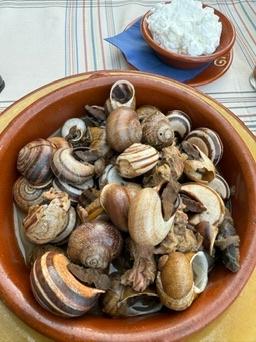
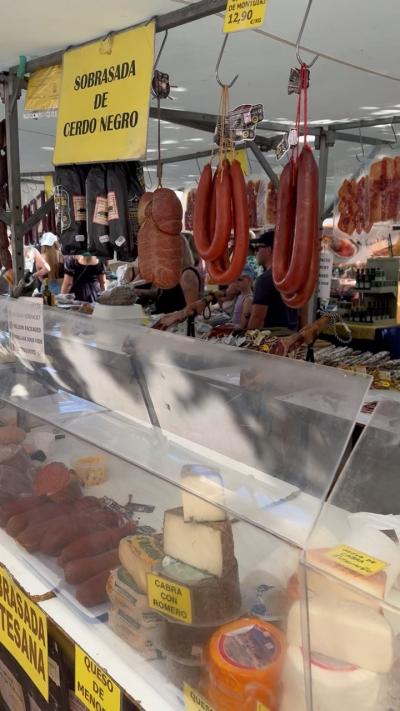
Celler restaurants on the island have roots reaching back to traditional wine cellars, where locals once gathered to sample hearty fare alongside home-produced wines. These venues in towns such as Binissalem and Sineu capture that heritage, offering authentic dishes crafted from local produce and paired with Mallorcan wines like those from Binissalem’s vineyards. Their menus often feature regional staples such as sobrassada, tumbet, and pa amb oli, turning meals into celebrations of the island’s agricultural bounty and culinary customs.
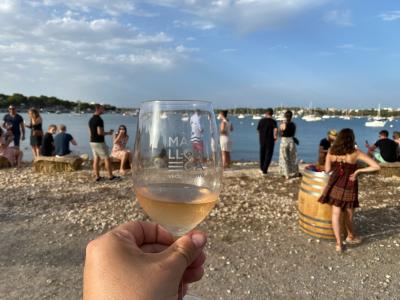
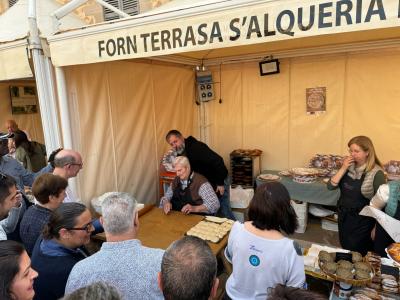
More than just dining spots, cellers serve as vital social hubs where Mallorcans convene to share stories, family moments, and community news. The convivial atmosphere encourages lingering and connection, making places in Palma’s old town or Pollença’s square perfect examples of friendly, welcoming meeting points. Seasonal events and wine tastings further enliven these establishments, linking visitors and locals through shared appreciation of the island’s gastronomic heritage.
Collaborations between celler owners and local farmers or vintners ensure that these restaurants remain intertwined with Mallorca’s rural economy and traditions. By emphasizing fresh, sustainable ingredients and supporting artisan producers, they help preserve the island’s culinary identity. In essence, celler restaurants are a living expression of the island’s culture—combining history, gastronomy, and community in one inviting experience.
More than just dining spots, cellers serve as vital social hubs where Mallorcans convene to share stories, family moments, and community news. The convivial atmosphere encourages lingering and connection, making places in Palma’s old town or Pollença’s square perfect examples of friendly, welcoming meeting points. Seasonal events and wine tastings further enliven these establishments, linking visitors and locals through shared appreciation of the island’s gastronomic heritage.
Collaborations between celler owners and local farmers or vintners ensure that these restaurants remain intertwined with Mallorca’s rural economy and traditions. By emphasizing fresh, sustainable ingredients and supporting artisan producers, they help preserve the island’s culinary identity. In essence, celler restaurants are a living expression of the island’s culture—combining history, gastronomy, and community in one inviting experience.
Cala Marçal
More Fotos