What materials were commonly used in the construction of Jugendstil buildings?
Similar Topics
Jugendstil architecture
Art Nouveau materials
construction techniques
decorative elements
wrought iron design
stained glass windows
natural motifs
architectural craftsmanship
modern aesthetic
historical architecture
Jugendstil, or Art Nouveau, emerged in the late 19th and early 20th centuries and is characterized by its organic forms and intricate decorative elements. The materials commonly used in the construction of Jugendstil buildings reflect the movement's emphasis on craftsmanship and the integration of art into everyday life. Brick and stone were often the primary structural materials, providing durability and a solid foundation for the elaborate designs that followed. These materials allowed architects to create sweeping curves and flowing lines that are hallmark features of the style.
In addition to traditional masonry, Jugendstil buildings frequently incorporated decorative elements made from wrought iron and cast metal. These materials were essential for crafting ornate railings, window grilles, and other embellishments that enhanced the aesthetic appeal of the structures. Glass, particularly stained and colored varieties, played a significant role as well, allowing for artistic expression through vibrant window designs that often depicted natural motifs. The combination of these materials not only created visually stunning buildings but also fostered a sense of harmony and connection with nature, which was a central theme in the Jugendstil movement.
Wood was another important material, used for both structural elements and decorative features. Carved wooden details added warmth and intricacy to interiors and exteriors alike, while also allowing for unique artistic flourishes. The harmonious blending of these various materials reflects the ethos of Jugendstil, which sought to break away from historical architectural conventions and create a new, modern aesthetic that celebrated the beauty of craftsmanship. As you explore cities rich with Jugendstil architecture, you'll notice how these materials come together to create a captivating and immersive experience, inviting you to appreciate both the artistry and the thought that went into each building.
In addition to traditional masonry, Jugendstil buildings frequently incorporated decorative elements made from wrought iron and cast metal. These materials were essential for crafting ornate railings, window grilles, and other embellishments that enhanced the aesthetic appeal of the structures. Glass, particularly stained and colored varieties, played a significant role as well, allowing for artistic expression through vibrant window designs that often depicted natural motifs. The combination of these materials not only created visually stunning buildings but also fostered a sense of harmony and connection with nature, which was a central theme in the Jugendstil movement.
Wood was another important material, used for both structural elements and decorative features. Carved wooden details added warmth and intricacy to interiors and exteriors alike, while also allowing for unique artistic flourishes. The harmonious blending of these various materials reflects the ethos of Jugendstil, which sought to break away from historical architectural conventions and create a new, modern aesthetic that celebrated the beauty of craftsmanship. As you explore cities rich with Jugendstil architecture, you'll notice how these materials come together to create a captivating and immersive experience, inviting you to appreciate both the artistry and the thought that went into each building.
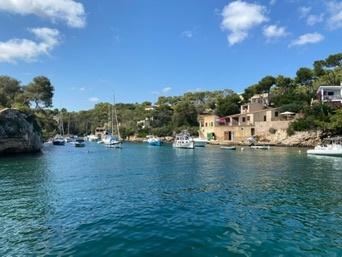
Cala Figuera
More Fotos