What local dishes and drinks should I try while visiting Mallorca?
Similar Topics
pa amb oli
sobrassada
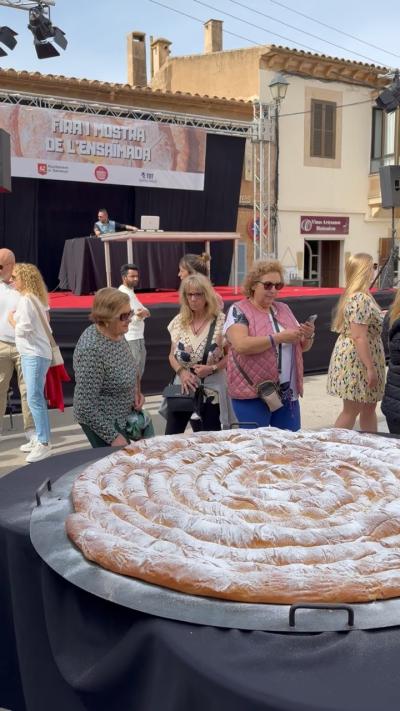
ensaimada
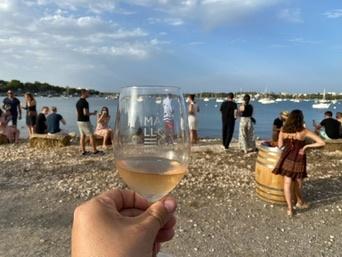
binissalem wine
hierbas liqueur
tumbet
festa de l’ametler
mallorca cuisine
A leisurely lunch in the old town of Palma is the perfect moment to sample pa amb oli, a simple yet satisfying staple of Mallorca's cuisine. This traditional dish consists of rustic bread rubbed with ripe tomatoes and drizzled with local olive oil, often accompanied by slices of sobrassada, the island’s beloved cured sausage with a rich, spreadable texture and hints of paprika. Alongside these, don’t miss tasting tumbet, a colourful vegetable medley baked with layers of aubergine, peppers, and potatoes in a tangy tomato sauce.
Travelling through the Tramuntana, many restaurants serve ensaimadas—spiral-shaped pastries dusted with sugar that are ideal for an afternoon break with a café cortado. In Alcudia or Pollenca, local vintners offer glasses of Binissalem, the island’s own designated wine region producing crisp whites and fruity reds that pair beautifully with most meals. After dinner, it’s common to sip Hierbas or Palo, two types of herb-infused liqueurs, which offer a digestif that reflects local traditions.
If your visit coincides with saffron-harvesting festivals like the Festa de l’Ametler in February, you might also enjoy seasonal dishes that emphasize this rare spice. Markets in Manacor and Valldemossa provide an inviting atmosphere to sample regional cheeses, almonds, and freshly caught seafood, connecting you directly with the island’s diverse flavors. Embracing these culinary highlights lets you experience Mallorca’s identity through its authentic tastes and seasonal ingredients.
Travelling through the Tramuntana, many restaurants serve ensaimadas—spiral-shaped pastries dusted with sugar that are ideal for an afternoon break with a café cortado. In Alcudia or Pollenca, local vintners offer glasses of Binissalem, the island’s own designated wine region producing crisp whites and fruity reds that pair beautifully with most meals. After dinner, it’s common to sip Hierbas or Palo, two types of herb-infused liqueurs, which offer a digestif that reflects local traditions.
If your visit coincides with saffron-harvesting festivals like the Festa de l’Ametler in February, you might also enjoy seasonal dishes that emphasize this rare spice. Markets in Manacor and Valldemossa provide an inviting atmosphere to sample regional cheeses, almonds, and freshly caught seafood, connecting you directly with the island’s diverse flavors. Embracing these culinary highlights lets you experience Mallorca’s identity through its authentic tastes and seasonal ingredients.
More Fotos