How has the Bay of Palma's economy evolved over the centuries?
Similar Topics
Bay of Palma economy
Mallorca tourism
Palma trading port
Moorish irrigation techniques
eco-tourism Mallorca
Mallorca hospitality sector
Palma cultural festivals
sustainable development Mallorca
Mallorca local market
historical economy Mallorca
The Bay of Palma, located on the stunning island of Mallorca, has undergone significant economic transformations over the centuries, influenced by its strategic location and natural beauty. Initially, the economy was largely based on agriculture and fishing, with local communities relying on the fertile lands surrounding the bay and the rich marine resources. The arrival of the Moors in the 10th century marked a pivotal shift, as they introduced advanced irrigation techniques that enhanced agricultural productivity. This period also saw the establishment of Palma as an important trading port, facilitating commerce across the Mediterranean.
As the centuries progressed, the Bay of Palma became a focal point for tourism, particularly in the 20th century. The post-World War II era witnessed a surge in international visitors, drawn by the bay’s picturesque landscapes, mild climate, and vibrant culture. This transformation led to the development of a robust hospitality sector, with hotels, restaurants, and recreational facilities springing up to cater to the influx of tourists. The local economy began to pivot away from its agrarian roots, embracing a more service-oriented model that prioritized tourism as a primary revenue source.
In recent years, the Bay of Palma has continued to diversify its economy, incorporating elements such as technology and sustainability into its development plans. This evolution reflects a broader trend across the island, where local businesses increasingly focus on eco-tourism and preserving the natural beauty that attracts visitors. The vibrant local market scene, artisanal products, and cultural festivals also contribute to the economic landscape, ensuring that while tourism remains a cornerstone, there are numerous avenues for growth that celebrate the rich heritage of the area. Today, the Bay of Palma stands as a testament to resilience and adaptability, blending its historical roots with modern aspirations.
As the centuries progressed, the Bay of Palma became a focal point for tourism, particularly in the 20th century. The post-World War II era witnessed a surge in international visitors, drawn by the bay’s picturesque landscapes, mild climate, and vibrant culture. This transformation led to the development of a robust hospitality sector, with hotels, restaurants, and recreational facilities springing up to cater to the influx of tourists. The local economy began to pivot away from its agrarian roots, embracing a more service-oriented model that prioritized tourism as a primary revenue source.
In recent years, the Bay of Palma has continued to diversify its economy, incorporating elements such as technology and sustainability into its development plans. This evolution reflects a broader trend across the island, where local businesses increasingly focus on eco-tourism and preserving the natural beauty that attracts visitors. The vibrant local market scene, artisanal products, and cultural festivals also contribute to the economic landscape, ensuring that while tourism remains a cornerstone, there are numerous avenues for growth that celebrate the rich heritage of the area. Today, the Bay of Palma stands as a testament to resilience and adaptability, blending its historical roots with modern aspirations.
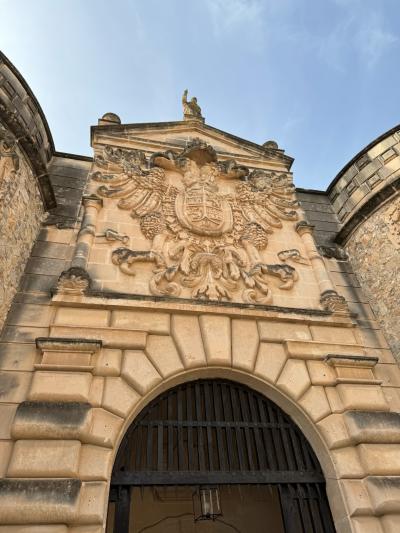
Palma
More Fotos