Which neighborhoods in Palma and beyond offer the most authentic local experiences?
Similar Topics
palma old town
valldemossa
deia
soller market
pollensa
alcudia
local food mallorca
tramuntana
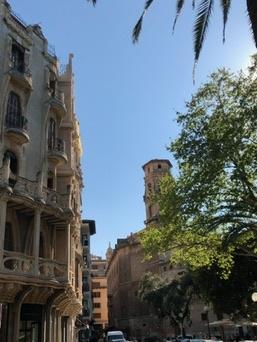
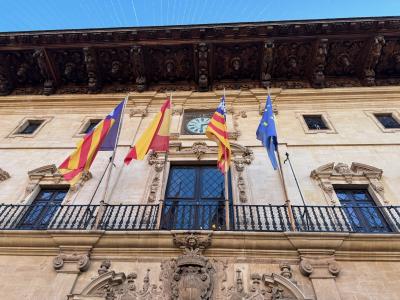
Many of the island’s most memorable local experiences unfold in neighborhoods where history and daily life intertwine seamlessly. In Palma, the old town’s labyrinth of narrow streets around La Lonja and Sant Jaume is a vibrant blend of centuries-old architecture and lively markets. Here, you might find artisans working their crafts, traditional cafés serving pa amb oli with sobrassada, and locals enjoying a leisurely café con leche. The Mercat de l’Olivar is another hub of local life, bursting with fresh produce, seafood, and Mallorcan specialties that reveal the island’s culinary heritage.
Beyond Palma, towns in the Serra de Tramuntana such as Valldemossa and Deià offer quieter but deeply authentic atmospheres. Their cobbled streets host small galleries and cafés, and local festivals often bring the community together with music, dance, and food. Nearby Soller stands out for its vibrant market days and the historic train that connects it to Palma, offering a scenic entree to traditional almond cake and Binissalem wine tastings.
Along the north coast, Pollensa and Alcudia preserve an old-world feel, especially around their historic centers, where artisans and markets flourish alongside seasonal celebrations like the Festa de l’Ametler in bloom. Venturing a little off the beaten path to coves like Cala Llombards exposes you to local beach bars and quiet family-run restaurants serving tumbet or freshly caught fish. Making use of the TIB bus network or taking the Ma-13 road helps unlock these authentic pockets far from the more tourist-heavy areas.
Beyond Palma, towns in the Serra de Tramuntana such as Valldemossa and Deià offer quieter but deeply authentic atmospheres. Their cobbled streets host small galleries and cafés, and local festivals often bring the community together with music, dance, and food. Nearby Soller stands out for its vibrant market days and the historic train that connects it to Palma, offering a scenic entree to traditional almond cake and Binissalem wine tastings.
Along the north coast, Pollensa and Alcudia preserve an old-world feel, especially around their historic centers, where artisans and markets flourish alongside seasonal celebrations like the Festa de l’Ametler in bloom. Venturing a little off the beaten path to coves like Cala Llombards exposes you to local beach bars and quiet family-run restaurants serving tumbet or freshly caught fish. Making use of the TIB bus network or taking the Ma-13 road helps unlock these authentic pockets far from the more tourist-heavy areas.
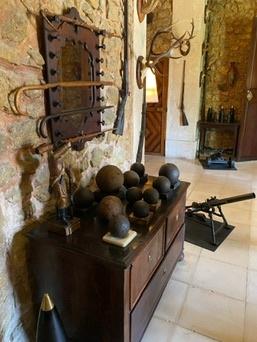
Sant Joan
More Fotos
Related Questions
Related Question
How did life on Mallorca shape the work of contemporary writers who lived there?
Related Question
Are there specific seafood festivals celebrated in Mallorca throughout the year?
Related Question
What should I do if I experience a medical emergency and need my records while in Mallorca?