What unique plants and vegetation can I find in the Serra de Tramuntana?
Similar Topics
tramuntana plants
endemic vegetation
balearic flora
mallorca herbs
aleppo pine
wild orchids
mediterranean shrubs
carob trees
The Serra de Tramuntana's rugged landscape shelters a remarkable variety of endemic plants that define its character. Ancient olive trees and knobby carob trees dot the terraces, remnants of centuries-old agriculture adapted to the island’s dry summers and mild winters. You’ll often see garrigue bushes with aromatic rosemary and thyme filling the air, alongside clusters of prickly pear cacti thriving in rocky soils. The higher altitudes host rare species like the Balearic cyclamen, which blooms in autumn with delicate pink flowers, adding color to the slopes.
Alongside these shrubs, forests of Aleppo pines and Holm oaks cloak certain valleys, providing refuge for endemic fauna as well as rich undergrowth. In spring, wild orchids bloom amid grassy meadows, while the rugged cliffs near Valldemossa and Deià host tiny Mediterranean pines resisting fierce Tramuntana winds. Mountain springs and shaded ravines sustain ferns and mosses, creating pockets of lush greenery otherwise rare in this Mediterranean climate.
These plants are not only a visual treat but historically vital to local farming and cuisine, with herbs like savory and fennel gathered for traditional dishes such as tumbet. Exploring the footpaths along the Ma-10, or hopping on the historic Soller railway, you’ll witness how the region’s vegetation weaves together nature and culture across the island’s northern backbone.
Alongside these shrubs, forests of Aleppo pines and Holm oaks cloak certain valleys, providing refuge for endemic fauna as well as rich undergrowth. In spring, wild orchids bloom amid grassy meadows, while the rugged cliffs near Valldemossa and Deià host tiny Mediterranean pines resisting fierce Tramuntana winds. Mountain springs and shaded ravines sustain ferns and mosses, creating pockets of lush greenery otherwise rare in this Mediterranean climate.
These plants are not only a visual treat but historically vital to local farming and cuisine, with herbs like savory and fennel gathered for traditional dishes such as tumbet. Exploring the footpaths along the Ma-10, or hopping on the historic Soller railway, you’ll witness how the region’s vegetation weaves together nature and culture across the island’s northern backbone.
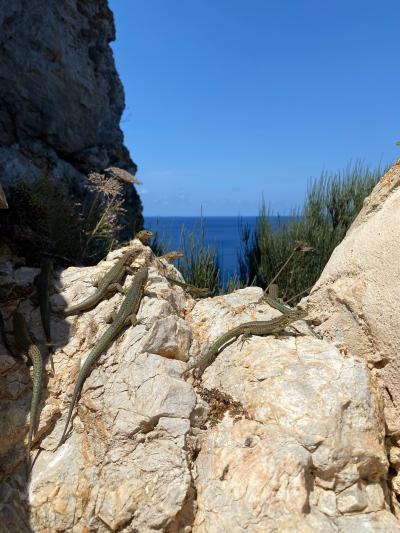
Sant Elm
More Fotos