What is the history of Palma Aquarium and how does it contribute to marine conservation on the island?
Similar Topics
palma aquarium
marine conservation
balearic marine life
posidonia seagrass
seahorse breeding
es trenc marine
tramuntana coast
sustainable tourism
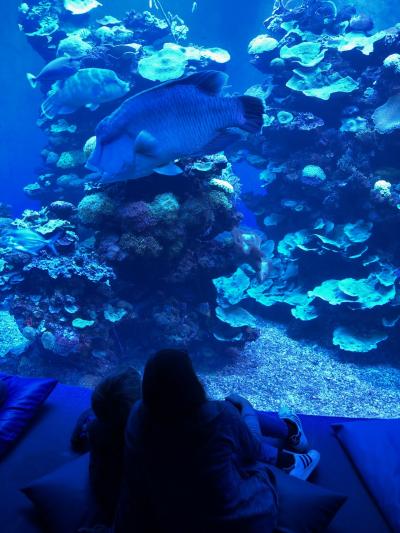
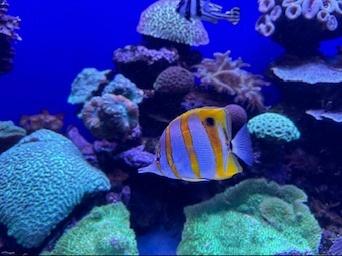
A golden glow filters through the seagrass tanks at Palma Aquarium, where Mediterranean species like posidonia grass form the silent backbone of marine life around the island. Opened in the early 2000s near the city’s harbor, Palma Aquarium was designed not just as a display but as an immersive educational venue showcasing the biodiversity that thrives in the surrounding Balearic waters. The aquarium's architecture and exhibit design reflect a commitment to replicating local marine habitats, allowing visitors to see endemic and migratory species up close, from the rocky reefs of the Tramuntana coast to the sandy bottoms near Es Trenc.
Its role in conservation has grown steadily, partnering with researchers and environmental groups to support seahorse breeding programs and reef restoration projects. The aquarium also plays an educational role, engaging local schools and tourists alike through workshops that highlight threats such as overfishing, pollution, and climate change’s impact on the Mediterranean. Through interactive displays and guided tours, the centre extends awareness beyond its walls, encouraging responsible behaviors like sustainable seafood choices and waste reduction.
Moreover, Palma Aquarium’s collaboration with the island’s marine authorities reinforces efforts to monitor and protect vulnerable species that inhabit coves like Cala Mondrago and Formentor. By combining public outreach with hands-on conservation work, it serves as both a window into the underwater world and a dedicated partner in preserving the natural heritage around the Balearic Islands. Visitors often leave with a deeper sense of connection to the sea, motivated by the aquarium’s mission to safeguard these fragile ecosystems for generations to come.
Its role in conservation has grown steadily, partnering with researchers and environmental groups to support seahorse breeding programs and reef restoration projects. The aquarium also plays an educational role, engaging local schools and tourists alike through workshops that highlight threats such as overfishing, pollution, and climate change’s impact on the Mediterranean. Through interactive displays and guided tours, the centre extends awareness beyond its walls, encouraging responsible behaviors like sustainable seafood choices and waste reduction.
Moreover, Palma Aquarium’s collaboration with the island’s marine authorities reinforces efforts to monitor and protect vulnerable species that inhabit coves like Cala Mondrago and Formentor. By combining public outreach with hands-on conservation work, it serves as both a window into the underwater world and a dedicated partner in preserving the natural heritage around the Balearic Islands. Visitors often leave with a deeper sense of connection to the sea, motivated by the aquarium’s mission to safeguard these fragile ecosystems for generations to come.
Es Pil·larí
More Fotos