How do the architectural styles in Palma compare to those in other Mediterranean cities?
Similar Topics
Palma architecture
Gothic cathedral
La Seu Palma
Moorish influence
modernista buildings
Mediterranean cities
Almudaina Palace
coastal architecture
Mallorca history
cultural exchange
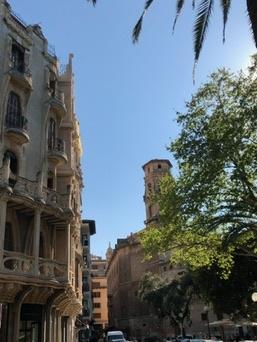
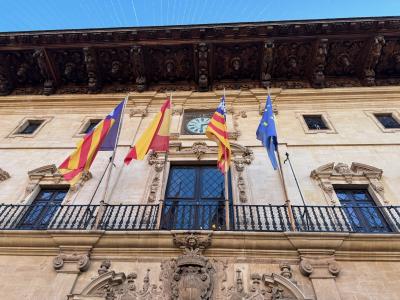
Palma, the capital of Mallorca, showcases a rich tapestry of architectural styles that reflect its diverse history and cultural influences. The most prominent feature is the stunning Gothic cathedral, La Seu, with its intricate facades and soaring spires, which is reminiscent of similar cathedrals found in other Mediterranean cities such as Barcelona and Valencia. However, Palma's architecture also incorporates elements from the Moorish period, evident in the narrow streets and the design of the Almudaina Palace, blending Islamic aesthetics with Gothic structures. This fusion is somewhat unique to Palma and sets it apart from cities like Florence or Athens, where the architectural narratives are dominated by classical and Renaissance influences.
When you stroll through Palma, you'll also notice the elegant modernista buildings that echo the styles seen in cities like Barcelona, yet they possess a distinct local flair. The use of vibrant colors, elaborate tile work, and wrought iron details in Palma's residential architecture brings a warmth and charm that can be slightly different from the more austere lines found in other Mediterranean locales. Coastal influences further shape Palma’s architectural identity, with many buildings designed to embrace the Mediterranean climate, featuring shaded terraces and open courtyards that create inviting outdoor spaces, a style that resonates with other coastal cities such as Nice or Dubrovnik.
In comparison to cities like Rome or Istanbul, where grandiose monuments and historical structures dominate the skyline, Palma strikes a balance between its historical roots and modern living. Its architecture tells a story of conquest, commerce, and cultural exchange, creating a unique visual narrative that captures the essence of the Mediterranean. Ultimately, exploring Palma’s architecture offers a delightful glimpse into the island’s soul, revealing how its past continues to shape its present and future, all while standing as a proud member of the Mediterranean architectural family.
When you stroll through Palma, you'll also notice the elegant modernista buildings that echo the styles seen in cities like Barcelona, yet they possess a distinct local flair. The use of vibrant colors, elaborate tile work, and wrought iron details in Palma's residential architecture brings a warmth and charm that can be slightly different from the more austere lines found in other Mediterranean locales. Coastal influences further shape Palma’s architectural identity, with many buildings designed to embrace the Mediterranean climate, featuring shaded terraces and open courtyards that create inviting outdoor spaces, a style that resonates with other coastal cities such as Nice or Dubrovnik.
In comparison to cities like Rome or Istanbul, where grandiose monuments and historical structures dominate the skyline, Palma strikes a balance between its historical roots and modern living. Its architecture tells a story of conquest, commerce, and cultural exchange, creating a unique visual narrative that captures the essence of the Mediterranean. Ultimately, exploring Palma’s architecture offers a delightful glimpse into the island’s soul, revealing how its past continues to shape its present and future, all while standing as a proud member of the Mediterranean architectural family.
Palma
More Fotos