What is the historical significance of the area around Valldemossa and its surroundings?
Similar Topics
valldemossa history
serra de tramuntana
alcudia ruins
pollentia site
festa de l'ametler
nit de foc
ma-10 road
soller train
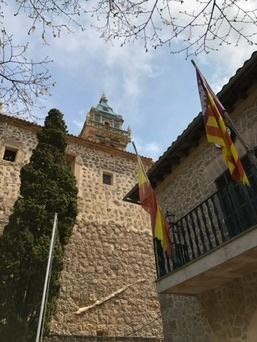
Early mornings in Valldemossa reveal why this mountain village has long enchanted visitors with its rich history and cultural depth. The Serra de Tramuntana, a UNESCO World Heritage site, frames the town, where the Carthusian monastery stands as a testament to centuries of religious and artistic heritage. Chopin and George Sand’s brief stay here in the 19th century adds a romantic chapter to the village’s story, celebrated today in local cafés and cultural events.
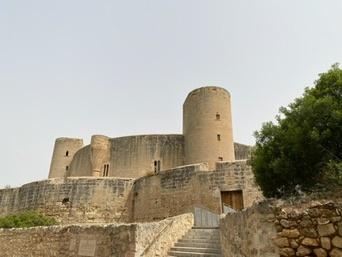
Beyond Valldemossa, the Ma-10 road winds through villages like Deià and Sóller, where medieval architecture mixes with more recent influences. These towns grew around farming and fishing, and their streets carry the echoes of Arab and Catalan traditions, visible in the old stone houses and their narrow alleys. Nearby, the ruins of Roman settlements near Alcúdia hint at the island’s ancient past, while the nearby Pollentia site offers archaeological insights into the Roman and early Christian periods.
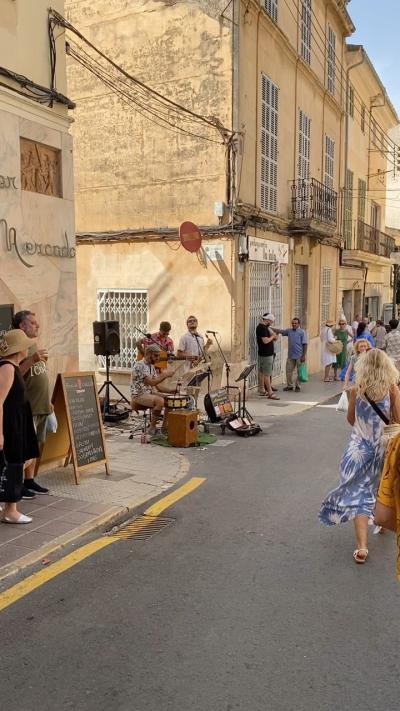
The area’s festivals, such as the Festa de l’Ametler in blossoming almond season or the fiery Nit de Foc in Palma, bring traditions to life with music, dance, and local cuisine. Meanwhile, the landscape itself has shaped local history — the rugged Tramuntana slopes sheltered communities through invasions and helped develop terraced agriculture that remains iconic. Exploring walking trails or the historic Sóller train line reveals the intimate link between place and past, offering both nature’s beauty and layers of human story at every turn.
Beyond Valldemossa, the Ma-10 road winds through villages like Deià and Sóller, where medieval architecture mixes with more recent influences. These towns grew around farming and fishing, and their streets carry the echoes of Arab and Catalan traditions, visible in the old stone houses and their narrow alleys. Nearby, the ruins of Roman settlements near Alcúdia hint at the island’s ancient past, while the nearby Pollentia site offers archaeological insights into the Roman and early Christian periods.
The area’s festivals, such as the Festa de l’Ametler in blossoming almond season or the fiery Nit de Foc in Palma, bring traditions to life with music, dance, and local cuisine. Meanwhile, the landscape itself has shaped local history — the rugged Tramuntana slopes sheltered communities through invasions and helped develop terraced agriculture that remains iconic. Exploring walking trails or the historic Sóller train line reveals the intimate link between place and past, offering both nature’s beauty and layers of human story at every turn.
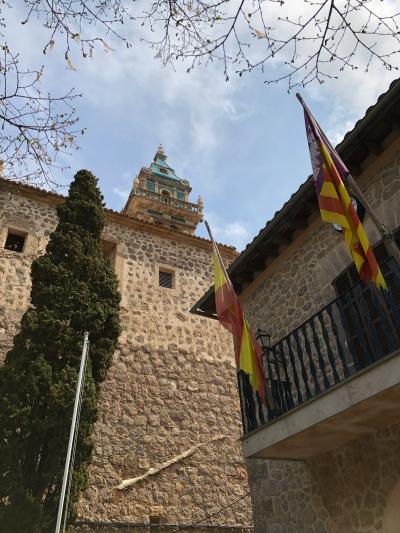
Valldemossa
More Fotos