Are Mallorca's beaches like Es Trenc accessible for visitors using wheelchairs or mobility aids?
Similar Topics
es trenc beach
wheelchair access
mallorca beaches
beach wheelchairs
tramuntana coast
accessible restrooms
tib bus network
cala mondrago
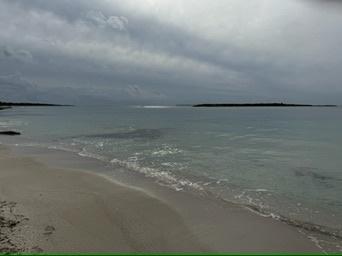
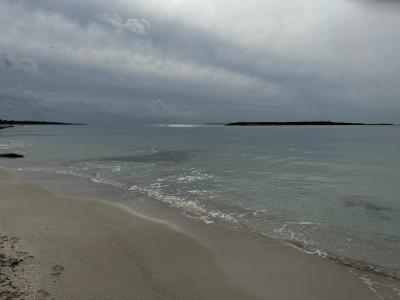
Planning a day at one of the island's iconic beaches often means considering how easy it is to get around for everyone in the group. Es Trenc, famed for its long stretch of fine white sand and clear turquoise waters, has made strides in accessibility but still poses some challenges. The natural sandy terrain, while beautiful, can be difficult to cross with standard wheelchairs due to its softness and occasional unevenness.
That said, several popular beaches such as Es Trenc and Cala Mondragó have wooden boardwalks and ramps near main access points to facilitate movement closer to the sea. Beach wheelchairs are sometimes available through local hire or tourist offices, offering wider tires designed for sand. Accessible restrooms and parking spots near the entrances often support visitors with mobility needs, particularly during the high season around Palma, Alcudia, or the northern coast.
For those exploring the Tramuntana coast or more secluded coves like Cala Llombards or Formentor, surfaces are typically more rugged and not well-suited for mobility aids without assistance. Public transport options like the TIB bus network often include wheelchair access, but reaching remote spots may require private transport or taxis. Checking current local information, especially for seasonal services or events like Sant Sebastià, can help ensure a smoother visit. Overall, while no beach is perfectly adapted, thoughtful planning and using available resources make it possible to enjoy the island’s exceptional shoreline with mobility aids.
That said, several popular beaches such as Es Trenc and Cala Mondragó have wooden boardwalks and ramps near main access points to facilitate movement closer to the sea. Beach wheelchairs are sometimes available through local hire or tourist offices, offering wider tires designed for sand. Accessible restrooms and parking spots near the entrances often support visitors with mobility needs, particularly during the high season around Palma, Alcudia, or the northern coast.
For those exploring the Tramuntana coast or more secluded coves like Cala Llombards or Formentor, surfaces are typically more rugged and not well-suited for mobility aids without assistance. Public transport options like the TIB bus network often include wheelchair access, but reaching remote spots may require private transport or taxis. Checking current local information, especially for seasonal services or events like Sant Sebastià, can help ensure a smoother visit. Overall, while no beach is perfectly adapted, thoughtful planning and using available resources make it possible to enjoy the island’s exceptional shoreline with mobility aids.
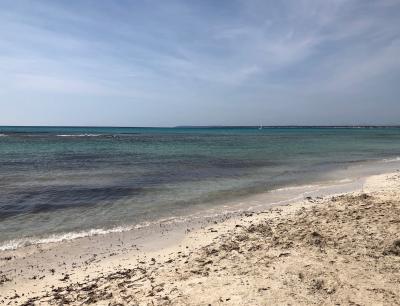
Colònia de Sant Jordi
More Fotos