How did the Carthusian monks influence Valldemossa's development and culture?
Similar Topics
carthusian monks
valldemossa charterhouse
serra de tramuntana
mallorca monasteries
historic agriculture
charterhouse arts
balearic traditions
monastic influence
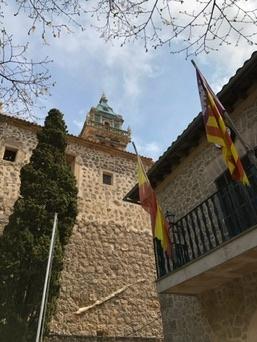
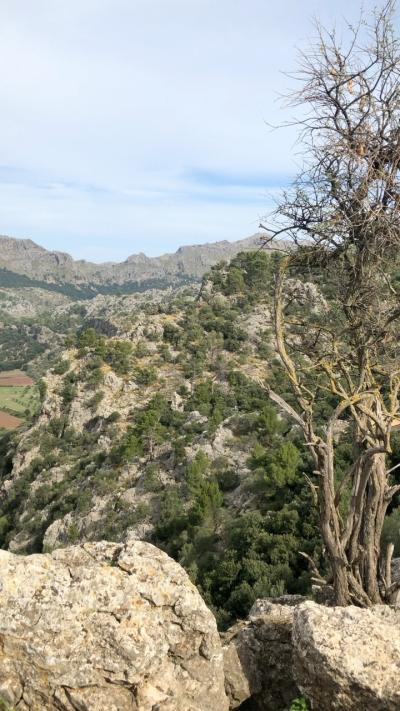
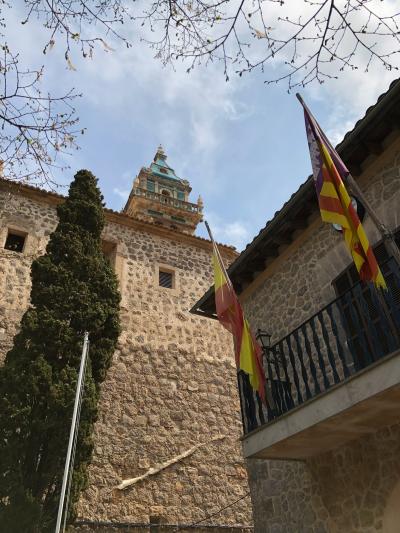
Nestled in the hills of the Serra de Tramuntana, the ancient walls of the Valldemossa Charterhouse offer a quiet testament to the Carthusian monks' enduring influence on the village. Arriving in the early 14th century, these monks embraced a life of seclusion and contemplation, transforming the former royal residence into a monastery that became the spiritual heart of the community. Their dedication fostered a serene atmosphere that still lingers, providing a compelling backdrop for visitors wandering the cobbled streets of Valldemossa today.
Beyond their spiritual pursuits, the monks introduced ingenious agricultural techniques to the steep terraces surrounding the town, nurturing olives, figs, and grapes that contributed to local sustenance and trade. Their careful craftsmanship is evident not only in the architectural elegance of the monastery—with its cloisters and frescoed cells—but also in artisanal goods whose legacy can still be traced in regional traditions. The monastery notably became a hub for cultural exchange and intellectual inquiry, drawing guests like Chopin centuries later, imbued with the monks’ contemplative spirit.
Even after the Carthusian order departed, their imprint remained firmly woven into the fabric of daily life. Local celebrations and crafts continued to reflect a disciplined, mindful approach to work and community, much like that practiced within the charterhouse walls. Delving into Valldemossa’s quiet alleyways and olive groves offers a glimpse of how this blend of piety, agriculture, and artistic sensibility shaped a village known as much for its peaceful charm as for its rich, monastic heritage.
Valldemossa
More Fotos