What ancient ruins or archaeological sites can I visit on Mallorca?
Similar Topics
mallorca ruins
talaiotic sites
capocorb vell
roman remains
archaeological sites
manacor history
tramuntana hiking
museum of mallorca
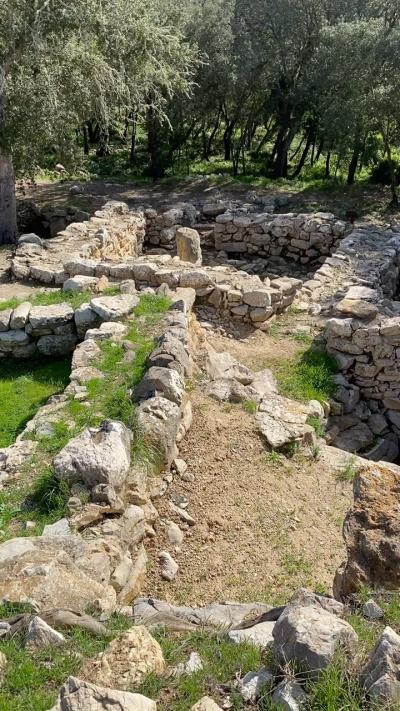
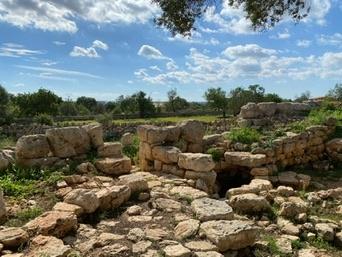
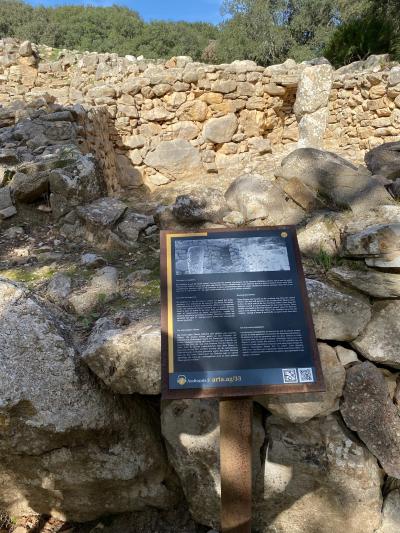
Mallorca features several intriguing archaeological sites that offer a glimpse into the island’s distant past. One of the most notable is the Talaiotic settlement of Capocorb Vell near Llucmajor. This prehistoric village, dating back to the Bronze Age, is dotted with stone towers and enclosures called talaiots, which are emblematic of Mallorca’s ancient Talaiotic culture. Walking among the remains, it’s easy to imagine the island’s early inhabitants and their ways of life.
Closer to Manacor, the site of Sant Romà de Bellver showcases Roman-era remains including traces of a bathhouse and rural villas, hinting at the Roman influence on Mallorca’s landscape. The island’s capital, Palma, also hides archaeological treasures beneath its streets, including remnants of a Roman city discovered during recent digs. For those eager to explore further, the Museum of Mallorca in Palma offers a comprehensive display of artifacts found throughout the island, from prehistoric pottery to medieval weapons.
Venturing into the Tramuntana mountains near Pollensa, you’ll find smaller talaiotic sites blending with the rugged landscape, perfect for travelers interested in combining hiking with cultural exploration. These ancient ruins may not be as expansive as famous sites like Petra or Pompeii, but their quiet presence across Mallorca provides a richly layered sense of history, connecting visitors with the island’s unique prehistoric and Roman heritage.
Closer to Manacor, the site of Sant Romà de Bellver showcases Roman-era remains including traces of a bathhouse and rural villas, hinting at the Roman influence on Mallorca’s landscape. The island’s capital, Palma, also hides archaeological treasures beneath its streets, including remnants of a Roman city discovered during recent digs. For those eager to explore further, the Museum of Mallorca in Palma offers a comprehensive display of artifacts found throughout the island, from prehistoric pottery to medieval weapons.
Venturing into the Tramuntana mountains near Pollensa, you’ll find smaller talaiotic sites blending with the rugged landscape, perfect for travelers interested in combining hiking with cultural exploration. These ancient ruins may not be as expansive as famous sites like Petra or Pompeii, but their quiet presence across Mallorca provides a richly layered sense of history, connecting visitors with the island’s unique prehistoric and Roman heritage.
More Fotos





Related Questions
Related Question
How long does it typically take to hike the entire trail from Lluc to Artá?
Related Question
Are there any restaurants in Algaida that serve local organic wines?
Related Question
Are there any reviews or testimonials from travelers about their experiences with personalized service in Mallorca?