What historical landmarks can I visit along the main routes in Mallorca?
Similar Topics
historic landmarks
serra de tramuntana
ma-10 road
valldemossa monastery
alcudia walls
palma cathedral
soller railway
talayotic sites
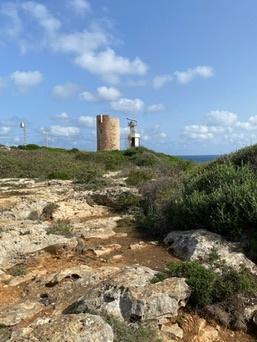
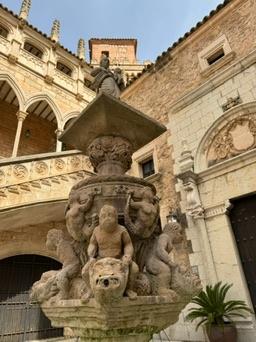
Many of the island’s principal roads trace paths steeped in history, reflecting centuries of Mallorcan culture and heritage. The Ma-10, which winds through the Serra de Tramuntana, offers numerous opportunities to explore small towns where historic landmarks abound. In Valldemossa, you’ll find the Carthusian Monastery, where Chopin once lived; its cloisters and gardens speak of a bygone era. Further along, Deia’s traditional stone houses and the remains of ancient watchtowers offer a glimpse into local history and maritime vigilance.
On the north coast near Pollenca, the Calvari Steps lead you to a chapel overlooking the town, while Alcudia’s medieval walls and Roman ruins add another layer of the island’s past. Roads like the Ma-13 connect Palma to these northern towns, and along the way, you can spot centuries-old fincas and olive groves that have witnessed countless generations. The route to Manacor passes by Talayotic settlements, sites of prehistoric stone structures unique to the Balearics.
The island’s historic railway from Palma to Soller provides another rich journey, crossing tunnels and mountain passes with views of terraced hillsides and historic mills. In Palma itself, the Gothic cathedral La Seu and the Almudaina Palace stand as monumental reminders of Mallorca’s diverse rulers and cultural influences. Travel here is more than just moving from point A to B; it is a passage through layers of history and tradition that can be explored at leisure along these scenic routes.
On the north coast near Pollenca, the Calvari Steps lead you to a chapel overlooking the town, while Alcudia’s medieval walls and Roman ruins add another layer of the island’s past. Roads like the Ma-13 connect Palma to these northern towns, and along the way, you can spot centuries-old fincas and olive groves that have witnessed countless generations. The route to Manacor passes by Talayotic settlements, sites of prehistoric stone structures unique to the Balearics.
The island’s historic railway from Palma to Soller provides another rich journey, crossing tunnels and mountain passes with views of terraced hillsides and historic mills. In Palma itself, the Gothic cathedral La Seu and the Almudaina Palace stand as monumental reminders of Mallorca’s diverse rulers and cultural influences. Travel here is more than just moving from point A to B; it is a passage through layers of history and tradition that can be explored at leisure along these scenic routes.
Sa Fonts Seca
More Fotos