How do caretakers at Mallorca's wildlife parks ensure animals stay healthy and happy?
Similar Topics
mallorca wildlife
animal care
veterinarians
environmental enrichment
native species
wildlife parks
animal health
serra de tramuntana
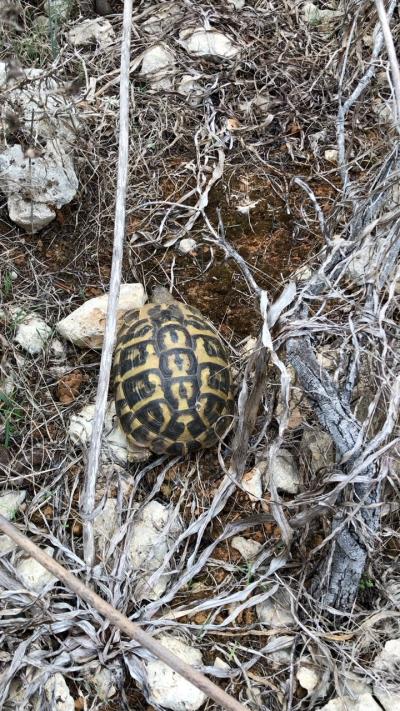
At wildlife parks on the island, such as Natura Parc near Santa Eugenia, animal care revolves around maintaining both the physical and mental well-being of the residents. Dedicated teams including veterinarians, keepers, and nutritionists tailor diets according to the specific needs of each species, often focusing on native or Mediterranean-inspired foods to reflect their natural habits. Regular health assessments help to spot and treat any medical concerns promptly, ensuring animals like the native Balearic shearwater or Mediterranean tortoise receive proper attention.
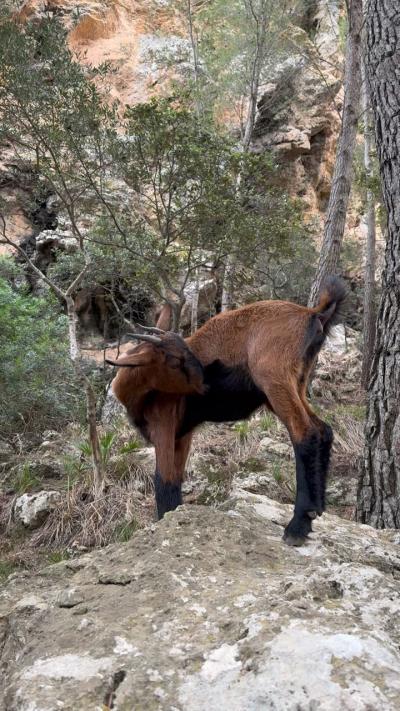
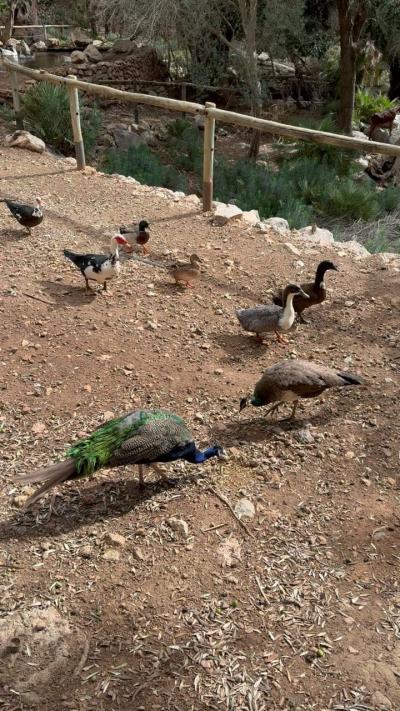
Creating stimulating environments is equally important. Caretakers design enclosures that mimic natural habitats, incorporating local flora from the Serra de Tramuntana or other island ecosystems. Enrichment activities encourage natural behaviors — for example, puzzle feeders or varied terrain help animals stay active and engaged. This thoughtful approach reduces stress and encourages curiosity, much like the wild settings around Alcudia’s wetlands or Formentor’s rugged coastline.
Equally valuable is the bond between keepers and animals. Staff often spend large amounts of time observing individual behaviors, which helps them detect subtle signs of discomfort or distress. This close relationship allows for timely intervention and personalized care plans. The combined focus on expert medical supervision, environmental enrichment, and attentive human interaction fosters a balanced, secure environment where animals thrive and visitors gain a deeper appreciation for the island’s unique wildlife heritage.
Creating stimulating environments is equally important. Caretakers design enclosures that mimic natural habitats, incorporating local flora from the Serra de Tramuntana or other island ecosystems. Enrichment activities encourage natural behaviors — for example, puzzle feeders or varied terrain help animals stay active and engaged. This thoughtful approach reduces stress and encourages curiosity, much like the wild settings around Alcudia’s wetlands or Formentor’s rugged coastline.
Equally valuable is the bond between keepers and animals. Staff often spend large amounts of time observing individual behaviors, which helps them detect subtle signs of discomfort or distress. This close relationship allows for timely intervention and personalized care plans. The combined focus on expert medical supervision, environmental enrichment, and attentive human interaction fosters a balanced, secure environment where animals thrive and visitors gain a deeper appreciation for the island’s unique wildlife heritage.

More Fotos