What is the history of Biniamar that makes it unique?
Similar Topics
Biniamar history
Mallorca travel
Sierra de Tramuntana
Mallorcan culture
olive cultivation
almond farming
traditional villages
UNESCO World Heritage
rural lifestyle
outdoor activities Mallorca
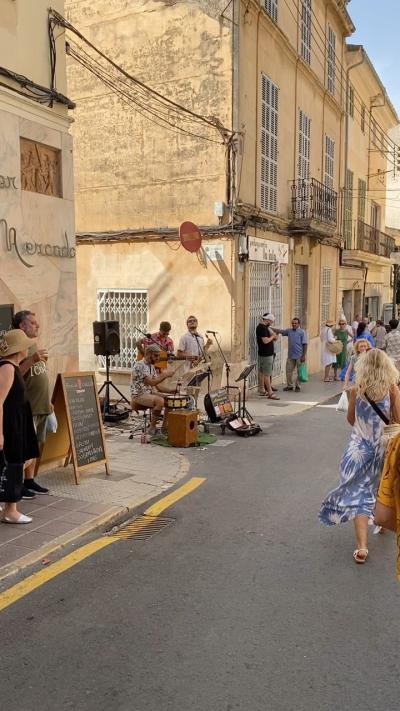
Biniamar is a charming village nestled in the heart of Mallorca, Spain, and its history is as rich and fascinating as the surrounding landscape. Dating back to the 13th century, the village was established during the Reconquista, a period when Christian kingdoms sought to reclaim the Iberian Peninsula from Muslim rule. Biniamar's name is thought to derive from Arabic, reflecting the Moorish influence in the region. The village's architecture and layout showcase traditional Mallorcan elements, with narrow streets and rustic stone buildings that evoke a sense of timelessness.
One of the unique aspects of Biniamar is its agricultural heritage, particularly its historical connection to the cultivation of olives and almonds. The lush surroundings have supported farming for centuries, and visitors can still see ancient terraces and traditional farms that speak to the village's agrarian roots. Over the years, the village has maintained its authenticity, resisting the rapid commercialization seen in some other parts of Mallorca. This commitment to preserving local culture is evident in the annual festivals and traditions that celebrate Biniamar's rural lifestyle, such as the feast of San Juan, where locals come together to honor their patron saint.
In addition to its agricultural history, Biniamar is uniquely positioned near the stunning Sierra de Tramuntana mountain range, a UNESCO World Heritage site. This proximity allows for breathtaking views and a wealth of outdoor activities, including hiking and cycling. The village serves as a tranquil base for exploring the mountains while providing a glimpse into the serene life of a traditional Mallorcan community. The blend of rich history, agricultural heritage, and natural beauty makes Biniamar a hidden gem for travelers seeking an authentic experience away from the more tourist-heavy areas of Mallorca.
One of the unique aspects of Biniamar is its agricultural heritage, particularly its historical connection to the cultivation of olives and almonds. The lush surroundings have supported farming for centuries, and visitors can still see ancient terraces and traditional farms that speak to the village's agrarian roots. Over the years, the village has maintained its authenticity, resisting the rapid commercialization seen in some other parts of Mallorca. This commitment to preserving local culture is evident in the annual festivals and traditions that celebrate Biniamar's rural lifestyle, such as the feast of San Juan, where locals come together to honor their patron saint.
In addition to its agricultural history, Biniamar is uniquely positioned near the stunning Sierra de Tramuntana mountain range, a UNESCO World Heritage site. This proximity allows for breathtaking views and a wealth of outdoor activities, including hiking and cycling. The village serves as a tranquil base for exploring the mountains while providing a glimpse into the serene life of a traditional Mallorcan community. The blend of rich history, agricultural heritage, and natural beauty makes Biniamar a hidden gem for travelers seeking an authentic experience away from the more tourist-heavy areas of Mallorca.
Palma
More Fotos