How do dining experiences differ between Mallorca's coastal towns and inland villages?
Similar Topics
coastal restaurants
inland dining
binissalem wine
pa amb oli
sobrassada
tramuntana cooking
formentor seafood
mallorca cuisine
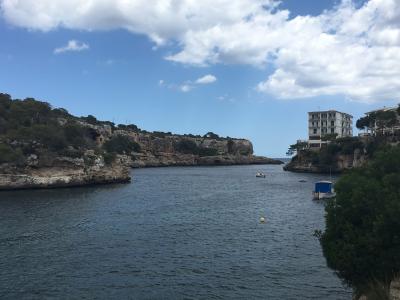
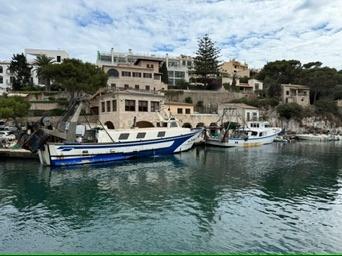
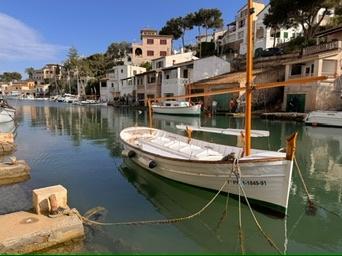
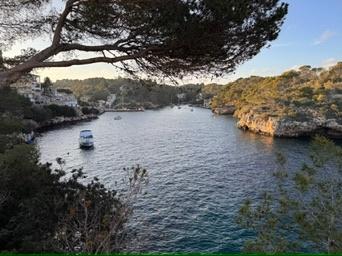
In places like Port de Sóller or Cala Mondragó, seafood takes center stage. The catch of the day, often freshly landed from the Mediterranean, stars in dishes such as grilled dorada or caldereta de langosta, accompanied by a glass of crisp Binissalem wine or a cold Hierbas. Many beachfront restaurants invite you to dine al fresco with uninterrupted views of the sea, while the smell of salt and pine from the Tramuntana often lingers in the air. The atmosphere is unpretentious, lively yet laid-back, offering the kind of meals that remind you of the island’s maritime roots.
Travel a little inland to towns like Valldemossa, Manacor, or Pollensa, and the menus reflect the island’s rich agricultural heritage. Here, hearty specialties like tumbet—a vibrant vegetable and potato bake—and sobrassada, the iconic cured sausage, are paired with rustic Mallorcan bread rubbed with locally pressed olive oil and tomato (pa amb oli). The dining spots tend to have a cozy, homely feel, whether in a mountain village courtyard or a tapas bar with stone walls. Meals here encourage lingering conversations over a glass of Palo or Binissalem’s red wines, capturing the warmth of traditional island hospitality.
Whether sitting near the sea or tucked away in the Tramuntana foothills, the island’s dining experiences offer a genuine connection to place. The coastal restaurants bring a fresh and briny energy, reflecting the ebb and flow of the sea, while the interior establishments ground you in the fertile heartland’s comforting, time-honored flavors. Exploring both is essential to fully tasting the island’s diverse culinary landscape.
Travel a little inland to towns like Valldemossa, Manacor, or Pollensa, and the menus reflect the island’s rich agricultural heritage. Here, hearty specialties like tumbet—a vibrant vegetable and potato bake—and sobrassada, the iconic cured sausage, are paired with rustic Mallorcan bread rubbed with locally pressed olive oil and tomato (pa amb oli). The dining spots tend to have a cozy, homely feel, whether in a mountain village courtyard or a tapas bar with stone walls. Meals here encourage lingering conversations over a glass of Palo or Binissalem’s red wines, capturing the warmth of traditional island hospitality.
Whether sitting near the sea or tucked away in the Tramuntana foothills, the island’s dining experiences offer a genuine connection to place. The coastal restaurants bring a fresh and briny energy, reflecting the ebb and flow of the sea, while the interior establishments ground you in the fertile heartland’s comforting, time-honored flavors. Exploring both is essential to fully tasting the island’s diverse culinary landscape.
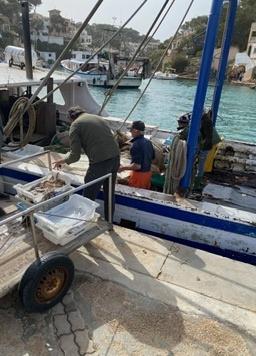
Cala Figuera
More Fotos