What architectural styles are most prevalent in Palma?
Similar Topics
Palma architecture
Gothic architecture
Palma Cathedral
Renaissance style
Baroque architecture
Palace of Almudaina
Moorish influence
modernist movement
contemporary architecture
architectural heritage
Palma, the capital of the Balearic Islands in Spain, boasts a rich architectural heritage that reflects its diverse history and cultural influences. One of the most prominent styles you'll encounter is Gothic architecture, epitomized by the stunning Palma Cathedral, known as La Seu. This magnificent structure, with its soaring vaulted ceilings and intricate stained glass windows, showcases the grandeur of Gothic design and serves as a focal point in the city's skyline. The cathedral, built between the 13th and 17th centuries, is a testament to the city's medieval roots and its significance as a religious center.
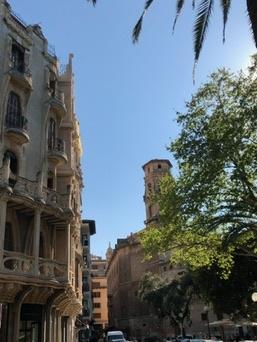
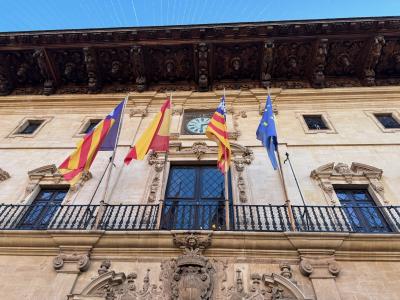
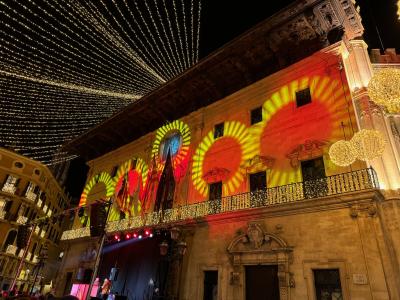
As you wander through Palma's charming streets, you'll also notice the influence of the Renaissance and Baroque styles. The impressive buildings around the Plaza Mayor and the historic district reveal elegant facades adorned with ornate details and classical elements. The Palace of Almudaina, a former royal residence, exemplifies the mix of Gothic and Moorish influences, further highlighting the island's complex history. Additionally, the modernist movement has left its mark, with the works of architects like Gabriel Alomar adding a touch of innovation to the city's architectural landscape.
In the more contemporary areas of Palma, you can find a blend of modern architecture that contrasts beautifully with the historic styles. Innovative designs and sustainable materials are becoming increasingly popular, creating a vibrant dynamic between the old and the new. This architectural diversity not only enhances the visual appeal of Palma but also reflects the city's evolution over centuries, making it a fascinating destination for those interested in history, culture, and design. Exploring Palma's streets offers a delightful journey through time, showcasing how different styles converge to create a unique urban tapestry.
As you wander through Palma's charming streets, you'll also notice the influence of the Renaissance and Baroque styles. The impressive buildings around the Plaza Mayor and the historic district reveal elegant facades adorned with ornate details and classical elements. The Palace of Almudaina, a former royal residence, exemplifies the mix of Gothic and Moorish influences, further highlighting the island's complex history. Additionally, the modernist movement has left its mark, with the works of architects like Gabriel Alomar adding a touch of innovation to the city's architectural landscape.
In the more contemporary areas of Palma, you can find a blend of modern architecture that contrasts beautifully with the historic styles. Innovative designs and sustainable materials are becoming increasingly popular, creating a vibrant dynamic between the old and the new. This architectural diversity not only enhances the visual appeal of Palma but also reflects the city's evolution over centuries, making it a fascinating destination for those interested in history, culture, and design. Exploring Palma's streets offers a delightful journey through time, showcasing how different styles converge to create a unique urban tapestry.
Palma
More Fotos