How did the Christian reconquest influence the religious landscape of Mallorca?
Similar Topics
Christian reconquest
Mallorca history
Catholic Church Mallorca
Diocese of Mallorca
Gothic cathedrals
Feast of Sant Joan
Mallorca cultural heritage
Islamic influence Mallorca
Franciscans Dominicans Mallorca
religious landscape Mallorca
The Christian reconquest of Mallorca, which began in the 13th century, had a profound impact on the island's religious landscape, reshaping both its spiritual identity and cultural heritage. Following the conquest led by King James I of Aragon in 1229, the Catholic Church played a central role in the re-establishment of Christian dominion over the territory. This led to the construction of numerous churches and monasteries, symbols of the newfound faith that aimed to replace the existing Islamic influence that had dominated the island for centuries. The introduction of Catholicism not only marked a significant shift in religious practices but also served to unify the population under a common faith, fostering a sense of community among the diverse groups that inhabited Mallorca.
As the Catholic Church expanded its presence, it also became intertwined with the political and social fabric of the island. The establishment of the Diocese of Mallorca in 1230 was a pivotal moment, as it allowed for the local administration of religious affairs and further solidified the Church's influence. Over time, the island saw the emergence of various religious orders, such as the Franciscans and Dominicans, who contributed to educational initiatives and social services, thereby enhancing the church's role in everyday life. This not only deepened the religious commitment of the local populace but also facilitated the blending of Christian traditions with some remnants of the island's previous Islamic culture, creating a unique synthesis that can still be observed today.
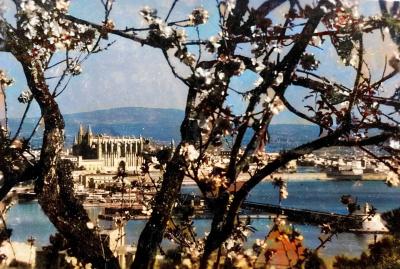
In contemporary Mallorca, the echoes of this rich religious history are visible in the architecture and festivals that celebrate the island's heritage. The stunning Gothic cathedrals, such as La Seu in Palma, stand as testaments to the island's Christian past, drawing visitors from around the world. Additionally, local celebrations, like the Feast of Sant Joan, reflect both Christian and pre-Christian influences, showcasing how the reconquest shaped not only religious beliefs but also cultural traditions. As you explore Mallorca, you'll find that the reconquest's legacy is woven into the very fabric of the island, offering a fascinating glimpse into how history continues to influence the present.
As the Catholic Church expanded its presence, it also became intertwined with the political and social fabric of the island. The establishment of the Diocese of Mallorca in 1230 was a pivotal moment, as it allowed for the local administration of religious affairs and further solidified the Church's influence. Over time, the island saw the emergence of various religious orders, such as the Franciscans and Dominicans, who contributed to educational initiatives and social services, thereby enhancing the church's role in everyday life. This not only deepened the religious commitment of the local populace but also facilitated the blending of Christian traditions with some remnants of the island's previous Islamic culture, creating a unique synthesis that can still be observed today.
In contemporary Mallorca, the echoes of this rich religious history are visible in the architecture and festivals that celebrate the island's heritage. The stunning Gothic cathedrals, such as La Seu in Palma, stand as testaments to the island's Christian past, drawing visitors from around the world. Additionally, local celebrations, like the Feast of Sant Joan, reflect both Christian and pre-Christian influences, showcasing how the reconquest shaped not only religious beliefs but also cultural traditions. As you explore Mallorca, you'll find that the reconquest's legacy is woven into the very fabric of the island, offering a fascinating glimpse into how history continues to influence the present.

More Fotos