What are the rules and customs around wild camping on Mallorca, especially in natural parks and coastal areas?
Similar Topics
wild camping mallorca
serra de tramuntana
es trenc camping
mallorca regulations
balearic camping rules
tramuntana wild camping
mallorca natural parks
tib bus camping
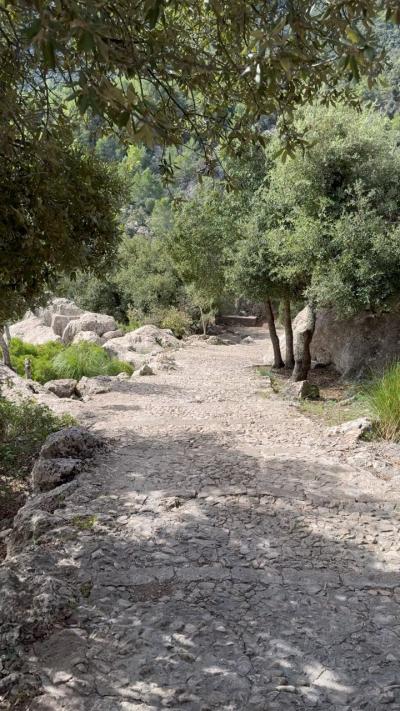
The scent of pine and salt air often marks the hidden coves and forest trails where thoughts turn to camping under stars. Yet, the rugged landscapes of the Serra de Tramuntana and the delicate dunes near Es Trenc are closely guarded by local regulations that restrict wild camping. Officially, camping outside designated sites is prohibited across the island to protect fragile ecosystems and ensure fire safety, particularly given the dry Mediterranean climate that heightens wildfire risk during warmer months.
Nature lovers hoping to sleep beneath the olive trees or beside a secluded cala will find that government campgrounds near places like Cala Mondrago or the Formentor peninsula offer legally sanctioned options with facilities. The TIB bus network and Ma-10 and Ma-13 routes make many of these spots accessible without a car. In remote areas, such as near Valldemossa or Deia, landowners and municipalities often firmly oppose unauthorized camping to preserve local landscapes and agricultural land.
Respect for local customs is equally important. The island’s communities treasure their environment and traditional ways, so discreet, responsible behaviour is expected, even if camping were allowed. Leave-no-trace principles apply: don’t light fires, take your rubbish with you, and avoid disturbing wildlife. For those seeking a genuine connection to the island’s outdoors without running afoul of rules, combining scenic hikes with overnight stays at agriturismos or small rural hotels around Pollenca or Soller is a rewarding alternative. In all cases, checking the latest guidelines from the Balearic government or local tourism offices before making plans will ensure a safe and enjoyable experience that honours Mallorca’s natural beauty.
Nature lovers hoping to sleep beneath the olive trees or beside a secluded cala will find that government campgrounds near places like Cala Mondrago or the Formentor peninsula offer legally sanctioned options with facilities. The TIB bus network and Ma-10 and Ma-13 routes make many of these spots accessible without a car. In remote areas, such as near Valldemossa or Deia, landowners and municipalities often firmly oppose unauthorized camping to preserve local landscapes and agricultural land.
Respect for local customs is equally important. The island’s communities treasure their environment and traditional ways, so discreet, responsible behaviour is expected, even if camping were allowed. Leave-no-trace principles apply: don’t light fires, take your rubbish with you, and avoid disturbing wildlife. For those seeking a genuine connection to the island’s outdoors without running afoul of rules, combining scenic hikes with overnight stays at agriturismos or small rural hotels around Pollenca or Soller is a rewarding alternative. In all cases, checking the latest guidelines from the Balearic government or local tourism offices before making plans will ensure a safe and enjoyable experience that honours Mallorca’s natural beauty.
More Fotos