Can I learn about the ancient cultures that inhabited Mallorca?
Similar Topics
Mallorca travel
ancient cultures Mallorca
Talayotic culture
archaeological sites Mallorca
Capocorb Vell
Roman ruins Pollentia
Alcúdia history
Palma Cathedral
Museu Arqueològic de Mallorca
cultural heritage Mallorca
Absolutely, Mallorca is a fascinating destination for anyone interested in ancient cultures. The island is rich in history, with evidence of human settlement dating back to prehistoric times. You can explore the remains of the Talayotic culture, which thrived during the Bronze Age. One of the most notable sites is the archaeological complex of Capocorb Vell, where you'll find impressive stone structures known as talayots—tall, circular towers that served various functions, including burial sites and watchtowers. The site offers a glimpse into the lives of the island's early inhabitants and their unique architectural skills.
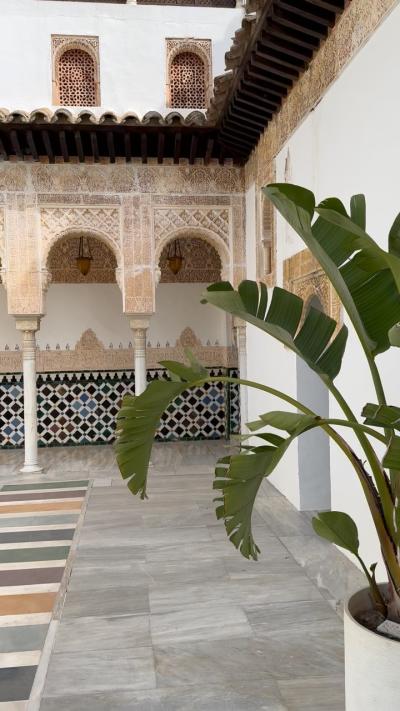
In addition to the Talayotic sites, Mallorca is home to a variety of other historical landmarks that reflect its diverse cultural heritage. For example, the Roman ruins at Pollentia, located near the modern town of Alcúdia, provide insights into the island's Roman period, showcasing ancient streets, a theater, and even remnants of houses. The influence of the Moors can also be seen in the architecture of the island, particularly in towns like Alcúdia and the capital, Palma. The stunning Cathedral of Santa Maria, also known as La Seu, incorporates elements from both Gothic and Moorish designs, illustrating the rich tapestry of cultural influences that have shaped Mallorca over the centuries.
Visiting the local museums can further deepen your understanding of these ancient cultures. The Museu Arqueològic de Mallorca in Palma houses a vast collection of artifacts, including pottery, tools, and jewelry from various periods, allowing you to appreciate the craftsmanship and daily life of those who lived here long ago. Engaging with local guides can also enhance your experience, as they often share captivating stories and insights about the island's history. Overall, Mallorca offers a wonderful opportunity to delve into its ancient past, making it a must-visit for history enthusiasts and curious travelers alike.
In addition to the Talayotic sites, Mallorca is home to a variety of other historical landmarks that reflect its diverse cultural heritage. For example, the Roman ruins at Pollentia, located near the modern town of Alcúdia, provide insights into the island's Roman period, showcasing ancient streets, a theater, and even remnants of houses. The influence of the Moors can also be seen in the architecture of the island, particularly in towns like Alcúdia and the capital, Palma. The stunning Cathedral of Santa Maria, also known as La Seu, incorporates elements from both Gothic and Moorish designs, illustrating the rich tapestry of cultural influences that have shaped Mallorca over the centuries.
Visiting the local museums can further deepen your understanding of these ancient cultures. The Museu Arqueològic de Mallorca in Palma houses a vast collection of artifacts, including pottery, tools, and jewelry from various periods, allowing you to appreciate the craftsmanship and daily life of those who lived here long ago. Engaging with local guides can also enhance your experience, as they often share captivating stories and insights about the island's history. Overall, Mallorca offers a wonderful opportunity to delve into its ancient past, making it a must-visit for history enthusiasts and curious travelers alike.

More Fotos