How do the celebrations in Palma compare to those in other parts of Mallorca?
Similar Topics
Palma celebrations
Sant Joan festival
Mallorca culture
local gastronomy
folk music
traditional festivals
Mallorca travel
historic architecture
cultural heritage
community pride
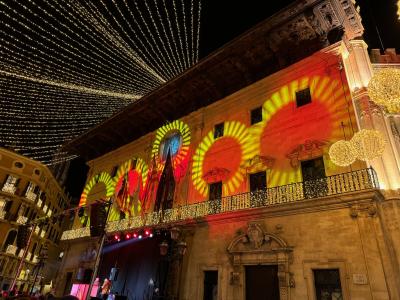
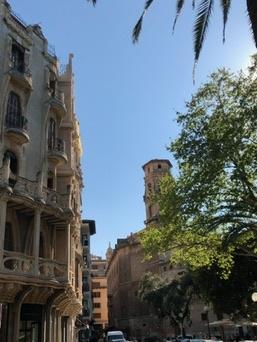
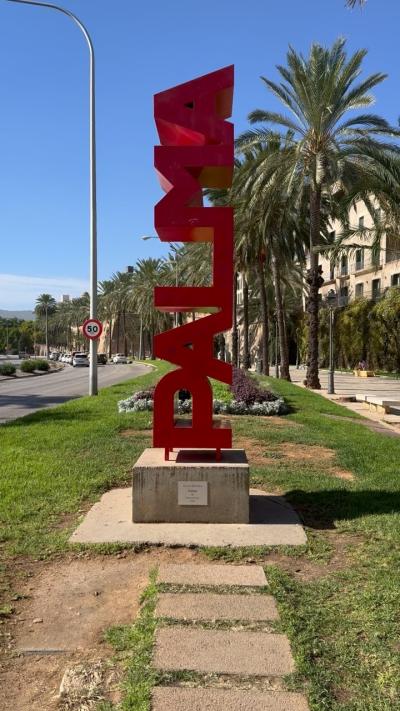
Celebrations in Palma, the vibrant capital of Mallorca, are distinctively lively and diverse, reflecting the city's rich history and cultural influences. One of the most notable events is the annual Sant Joan festival in June, which transforms the city into a hub of festivities with bonfires, fireworks, and lively street parties. Palma's celebrations often feature a mix of traditional and modern elements, drawing both locals and tourists to enjoy music, dance, and culinary delights. The city's historic architecture provides a stunning backdrop for these events, enhancing the festive atmosphere and creating a unique experience that captures the spirit of Mallorca.
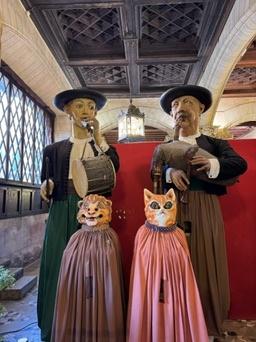
In contrast, other parts of Mallorca, such as the smaller towns and rural areas, often celebrate with a more traditional and intimate approach. Towns like Soller and Pollenca host their own unique festivals that may include religious processions, folk music, and local gastronomy, offering a glimpse into the island's cultural heritage. While Palma’s celebrations tend to be larger and more cosmopolitan, the celebrations in these smaller towns preserve a sense of community and local pride. Attending these events can provide a deeper understanding of Mallorcan traditions, as they often emphasize family values and local customs.
Another difference lies in the scale and accessibility of the events. In Palma, festivities attract a larger crowd and often feature international performers, making them more accessible to visitors looking for a bustling atmosphere. Conversely, in places like Artà or Capdepera, the celebrations may be smaller in scale but are rich in authenticity, showcasing local talent and traditional practices. This contrast allows travelers to experience the full spectrum of Mallorca's cultural celebrations, from the energetic and modern to the quiet and traditional, making each visit to the island a unique experience.
In contrast, other parts of Mallorca, such as the smaller towns and rural areas, often celebrate with a more traditional and intimate approach. Towns like Soller and Pollenca host their own unique festivals that may include religious processions, folk music, and local gastronomy, offering a glimpse into the island's cultural heritage. While Palma’s celebrations tend to be larger and more cosmopolitan, the celebrations in these smaller towns preserve a sense of community and local pride. Attending these events can provide a deeper understanding of Mallorcan traditions, as they often emphasize family values and local customs.
Another difference lies in the scale and accessibility of the events. In Palma, festivities attract a larger crowd and often feature international performers, making them more accessible to visitors looking for a bustling atmosphere. Conversely, in places like Artà or Capdepera, the celebrations may be smaller in scale but are rich in authenticity, showcasing local talent and traditional practices. This contrast allows travelers to experience the full spectrum of Mallorca's cultural celebrations, from the energetic and modern to the quiet and traditional, making each visit to the island a unique experience.
Palma
More Fotos