How accessible is public transportation for travelers with disabilities around Mallorca?
Similar Topics
tib bus network
palma metro
soller railway
wheelchair access
disability transport
serra de tramuntana
accessible beaches
paratransit services
Travelers using wheelchairs or with limited mobility will find that many local buses operated by the TIB network are fitted with low floors and ramps, making boarding much easier, especially on routes connecting Palma with towns like Alcudia, Manacor, or Valldemossa. The Palma metro and the historic Soller railway also aim to accommodate passengers with reduced mobility, though some older stations may have limited elevator access, so checking ahead is advisable. Audio-visual announcements help those with sensory impairments, but coverage varies, so preparing in advance is wise.
For those requiring additional assistance, planned paratransit services can be arranged through local authorities, offering door-to-door support primarily in Palma and nearby urban areas. The island’s narrow mountain roads in the Serra de Tramuntana, such as the Ma-10, present accessibility challenges, so specialized transport or private transfers might be better choices for reaching hilltop villages like Deia or Formentor in comfort and safety. Public access to well-known beaches like Es Trenc and Cala Mondrago is generally possible via bus routes, but wheelchair access on-site can be limited.
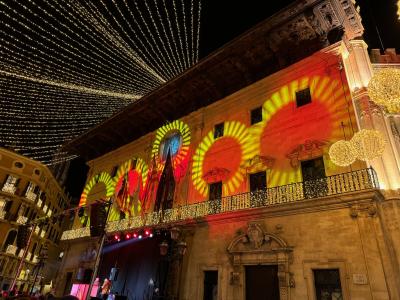
Navigating town centers such as Pollenca or Soller is often pedestrian-friendly, thanks to flatter historic streets and curb ramps, though some cobblestones and uneven surfaces remain. It’s a good idea to consult local transport websites and accessibility information before traveling, as infrastructure is improving steadily but not yet uniform across the island. Overall, with a little preparation, visitors with disabilities can enjoy Mallorca’s diverse charms—from vibrant festivals like Nit de Foc in Palma to quiet afternoons savoring pa amb oli in a seaside café.
For those requiring additional assistance, planned paratransit services can be arranged through local authorities, offering door-to-door support primarily in Palma and nearby urban areas. The island’s narrow mountain roads in the Serra de Tramuntana, such as the Ma-10, present accessibility challenges, so specialized transport or private transfers might be better choices for reaching hilltop villages like Deia or Formentor in comfort and safety. Public access to well-known beaches like Es Trenc and Cala Mondrago is generally possible via bus routes, but wheelchair access on-site can be limited.
Navigating town centers such as Pollenca or Soller is often pedestrian-friendly, thanks to flatter historic streets and curb ramps, though some cobblestones and uneven surfaces remain. It’s a good idea to consult local transport websites and accessibility information before traveling, as infrastructure is improving steadily but not yet uniform across the island. Overall, with a little preparation, visitors with disabilities can enjoy Mallorca’s diverse charms—from vibrant festivals like Nit de Foc in Palma to quiet afternoons savoring pa amb oli in a seaside café.

Palma
More Fotos