What can I learn about the daily life of people in Valldemossa during Catalina Tomás's time?
Similar Topics
Valldemossa history
Catalina Tomás
Mallorca 16th century
daily life in Valldemossa
agricultural practices Mallorca
religion in Valldemossa
Mallorca community life
artisanal crafts Mallorca
Tramuntana mountains
Mediterranean climate Mallorca
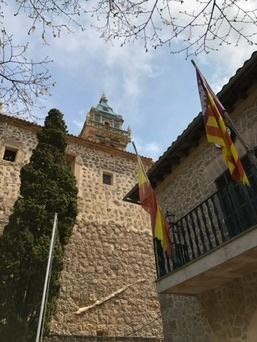
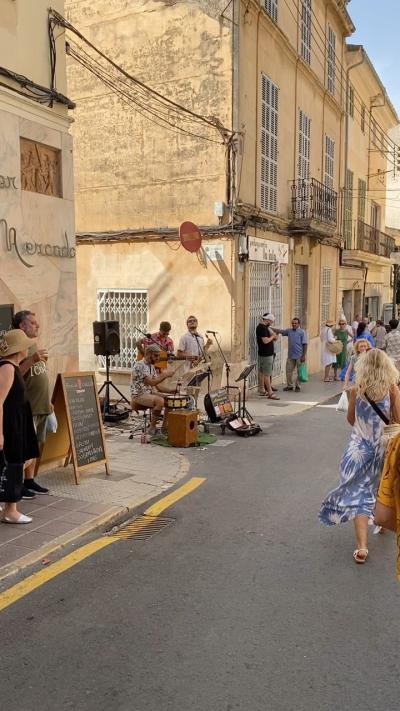
During the time of Catalina Tomás in the 16th century, Valldemossa was a small, picturesque village nestled in the Tramuntana mountains of Mallorca, Spain. Daily life for the residents was shaped by the agricultural cycle and the natural environment surrounding them. The economy was primarily based on farming, with locals growing crops such as olives, almonds, and wheat, which were essential for both sustenance and trade. The village's layout, with its narrow cobblestone streets and stone houses, fostered a close-knit community where families often worked together in the fields and shared their daily experiences in the markets and plazas.
Religious life played a significant role in the daily routine of the people during Catalina Tomás's time. As a devout Catholic, Catalina was deeply influenced by the spiritual practices of her community, which revolved around traditional celebrations, church services, and communal prayers. The local church was a focal point, not just for worship but also for social gatherings, reinforcing the importance of faith in everyday life. Many villagers engaged in artisanal crafts, and their skills were often passed down through generations, creating a sense of continuity and shared identity that defined Valldemossa.
The influence of the natural landscape on daily life cannot be understated. The surrounding mountains provided both a breathtaking backdrop and a source of inspiration for artistic expression, which flourished alongside the religious fervor of the time. People also relied on the land for resources, gathering herbs and wild plants for medicinal purposes, while the Mediterranean climate allowed for a variety of seasonal activities that brought the community together. Overall, life in Valldemossa during Catalina Tomás's era was characterized by a harmonious blend of agriculture, spirituality, and a strong sense of community, all set against the stunning backdrop of the Mallorcan countryside.
Religious life played a significant role in the daily routine of the people during Catalina Tomás's time. As a devout Catholic, Catalina was deeply influenced by the spiritual practices of her community, which revolved around traditional celebrations, church services, and communal prayers. The local church was a focal point, not just for worship but also for social gatherings, reinforcing the importance of faith in everyday life. Many villagers engaged in artisanal crafts, and their skills were often passed down through generations, creating a sense of continuity and shared identity that defined Valldemossa.
The influence of the natural landscape on daily life cannot be understated. The surrounding mountains provided both a breathtaking backdrop and a source of inspiration for artistic expression, which flourished alongside the religious fervor of the time. People also relied on the land for resources, gathering herbs and wild plants for medicinal purposes, while the Mediterranean climate allowed for a variety of seasonal activities that brought the community together. Overall, life in Valldemossa during Catalina Tomás's era was characterized by a harmonious blend of agriculture, spirituality, and a strong sense of community, all set against the stunning backdrop of the Mallorcan countryside.
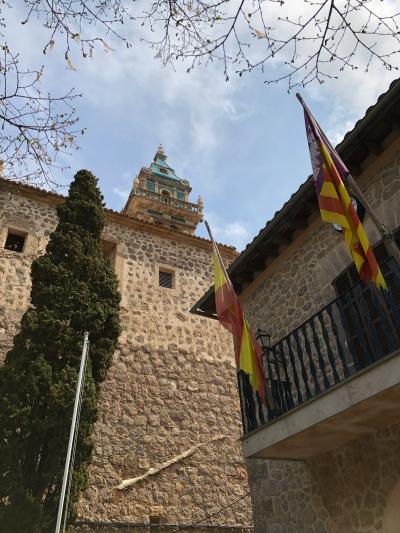
Valldemossa
More Fotos