Are there any safety concerns I should be aware of when swimming at Mallorca's beaches or coves?
Similar Topics
mallorca swimming safety
es trenc beach
formentor currents
cala mondrago swim
tramuntana coast
cala llombards
tib bus beaches
jellyfish mallorca
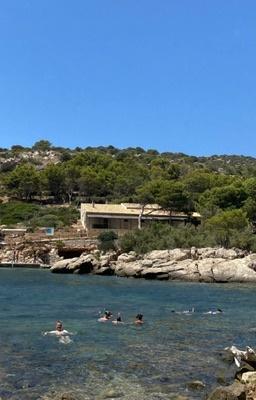
Swimming in the island's inviting coves and beaches is one of the highlights of a trip here, but it's wise to stay mindful of local safety factors. Water quality is typically excellent, especially at famous spots like Es Trenc and Cala Mondrago, yet after heavy rains, runoff can sometimes affect clarity or cleanliness, so it’s worth checking recent reports or asking locals before diving in. The Med’s currents at places such as Formentor can occasionally be stronger than expected, particularly near headlands or in the deeper channels, so staying within marked swimming zones is prudent.
Wildlife encounters are uncommon around popular beaches, though you might spot jellyfish on occasion during the warmer months. These can cause mild stings, so be careful if you see them. Many coves have rocky seabeds and underwater vegetation; knowing the spot well or asking about hidden rocks and sudden drop-offs can prevent injuries. The Tramuntana’s coastal winds can shift quickly too—if the sea becomes choppy or winds pick up, it’s sensible to head back to shore.
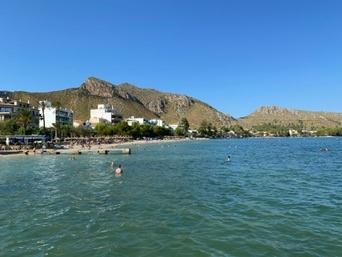
Weather-wise, summer storms are rare but occasionally happen; Palma and the northern coast can see short, sharp showers or lightning, so always check forecasts before swimming. The local TIB buses and the historic Soller train provide easy access to many beaches, making it convenient to swim during daylight when help and amenities are available. Whether swimming at Cala Llombards or hanging out near Port de Pollenca, going with someone else or within sight of lifeguards significantly boosts your safety and comfort in the water.
Wildlife encounters are uncommon around popular beaches, though you might spot jellyfish on occasion during the warmer months. These can cause mild stings, so be careful if you see them. Many coves have rocky seabeds and underwater vegetation; knowing the spot well or asking about hidden rocks and sudden drop-offs can prevent injuries. The Tramuntana’s coastal winds can shift quickly too—if the sea becomes choppy or winds pick up, it’s sensible to head back to shore.
Weather-wise, summer storms are rare but occasionally happen; Palma and the northern coast can see short, sharp showers or lightning, so always check forecasts before swimming. The local TIB buses and the historic Soller train provide easy access to many beaches, making it convenient to swim during daylight when help and amenities are available. Whether swimming at Cala Llombards or hanging out near Port de Pollenca, going with someone else or within sight of lifeguards significantly boosts your safety and comfort in the water.

Platja de Muro
More Fotos