Is it customary to haggle with sellers at Mallorca's local markets like Mercat de l'Olivar?
Similar Topics
mercat de l'olivar
mallorca markets
bargaining tips
shopping mallorca
local markets
souvenir prices
market culture
artisan goods
Markets such as Mercat de l'Olivar in Palma and the weekly fairs in towns like Sineu or Inca generally have fixed prices on produce and typical goods, meaning haggling is uncommon. Vendors usually display prices clearly, especially for fresh foods and artisan products, reflecting the market culture here which leans toward straightforward transactions rather than bargaining. However, when it comes to stalls selling souvenirs, antiques, or handcrafted items, especially in tourist areas around Alcudia or Pollenca, a little friendly negotiation can sometimes be welcomed if approached respectfully.
If you do want to discuss prices, start with a polite greeting in Catalan or Spanish and express genuine interest in the item. Local sellers appreciate friendliness and good humor, and while they might not always lower the price much, engaging in a brief exchange often enhances the experience. Remember that many artisans sell unique pieces like ceramics or woven goods, where prices already reflect craftsmanship and quality. The key is to be courteous and open rather than pushy, ensuring interactions remain positive whether or not the price moves. Shopping at markets along the Ma-13 or near the Tramuntana villages offers a chance to connect with local culture beyond just the purchase.
Taking part in this tradition of careful negotiation, where it applies, offers visitors a glimpse into the island’s vibrant market life. For fresh produce, baked goods like ensaimadas, or bottles of Binissalem wine, accepting the set prices supports local vendors who rely on fair trading rather than haggling. But if you happen upon a handcrafted souvenir on Palma’s Mercat de l’Olivar or a flea-market find in Soller, a light-hearted price chat is part of the charm.
If you do want to discuss prices, start with a polite greeting in Catalan or Spanish and express genuine interest in the item. Local sellers appreciate friendliness and good humor, and while they might not always lower the price much, engaging in a brief exchange often enhances the experience. Remember that many artisans sell unique pieces like ceramics or woven goods, where prices already reflect craftsmanship and quality. The key is to be courteous and open rather than pushy, ensuring interactions remain positive whether or not the price moves. Shopping at markets along the Ma-13 or near the Tramuntana villages offers a chance to connect with local culture beyond just the purchase.
Taking part in this tradition of careful negotiation, where it applies, offers visitors a glimpse into the island’s vibrant market life. For fresh produce, baked goods like ensaimadas, or bottles of Binissalem wine, accepting the set prices supports local vendors who rely on fair trading rather than haggling. But if you happen upon a handcrafted souvenir on Palma’s Mercat de l’Olivar or a flea-market find in Soller, a light-hearted price chat is part of the charm.
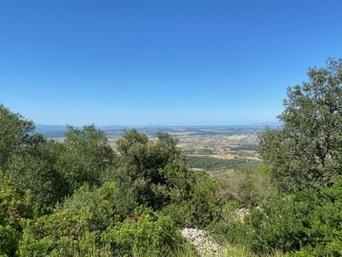
Randa
More Fotos