Were there any notable conflicts during the first king's reign that shaped Mallorca's history?
Similar Topics
Mallorca history
King Jaume I
Balearic Islands
Christian reconquest
Muslim rule
Bellver Castle
Palma old town
Mallorca culture
Mallorca economy
trade routes
During the reign of King Jaume I, who ascended to the throne in the 13th century, Mallorca experienced significant conflict that would shape its history and future. The most notable event was the conquest of the island in 1229, which was part of a broader campaign to reclaim territories from Muslim rule in the Balearic Islands. Jaume I's forces landed on Mallorca, facing fierce resistance from the local Muslim population. The subsequent battles were not only critical in securing the island for the Crown of Aragon but also marked a turning point in its cultural and political landscape. This conquest laid the groundwork for the Christian reconquest of the Balearics and transformed Mallorca into a strategic hub in the Mediterranean.
The aftermath of the conquest saw further conflicts as the new Christian rulers sought to consolidate their power and establish a stable governance system. The imposition of new laws and the redistribution of land often led to tensions between the Christian settlers and the remaining Muslim inhabitants. These conflicts were marked by uprisings and revolts, which highlighted the challenges of integrating diverse communities. Over time, however, the island began to flourish under Jaume I's rule, with the establishment of trade routes and the growth of agriculture, leading to a vibrant economy that attracted settlers and merchants from various regions.
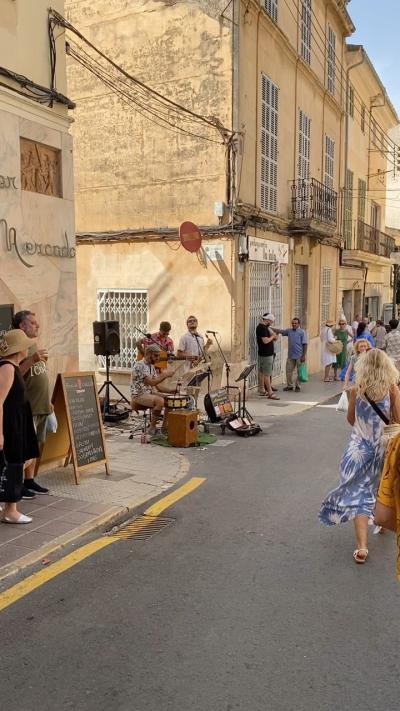
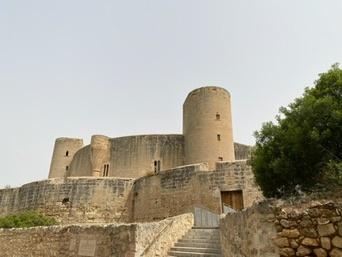
The legacy of these early conflicts continues to influence Mallorca's cultural identity today. The blending of Christian and Muslim traditions can still be seen in the architecture, cuisine, and festivals celebrated across the island. Visitors can explore the remnants of this history in places like the imposing Bellver Castle and the charming old town of Palma, where the echoes of the past are woven into the very fabric of Mallorcan life. Understanding this tumultuous yet transformative period offers a deeper appreciation for the island's rich heritage and the resilience of its people.
The aftermath of the conquest saw further conflicts as the new Christian rulers sought to consolidate their power and establish a stable governance system. The imposition of new laws and the redistribution of land often led to tensions between the Christian settlers and the remaining Muslim inhabitants. These conflicts were marked by uprisings and revolts, which highlighted the challenges of integrating diverse communities. Over time, however, the island began to flourish under Jaume I's rule, with the establishment of trade routes and the growth of agriculture, leading to a vibrant economy that attracted settlers and merchants from various regions.
The legacy of these early conflicts continues to influence Mallorca's cultural identity today. The blending of Christian and Muslim traditions can still be seen in the architecture, cuisine, and festivals celebrated across the island. Visitors can explore the remnants of this history in places like the imposing Bellver Castle and the charming old town of Palma, where the echoes of the past are woven into the very fabric of Mallorcan life. Understanding this tumultuous yet transformative period offers a deeper appreciation for the island's rich heritage and the resilience of its people.

More Fotos