What essentials should I pack for a comfortable hike in Mallorca?
Similar Topics
mallorca hiking
serra de tramuntana
hiking boots
hydration
ensaimada snack
ma-10 road
cala mondrago
first-aid kit
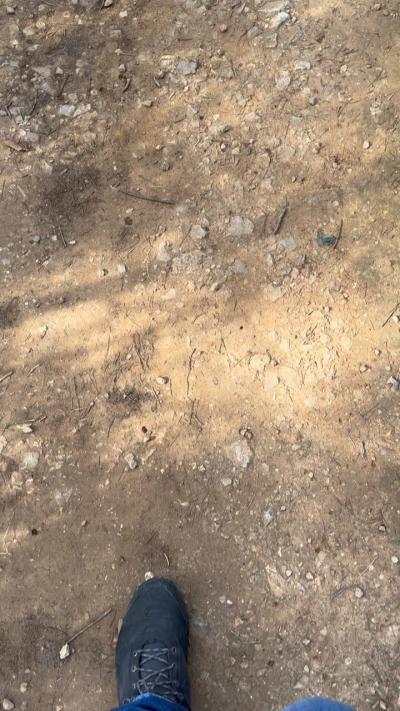
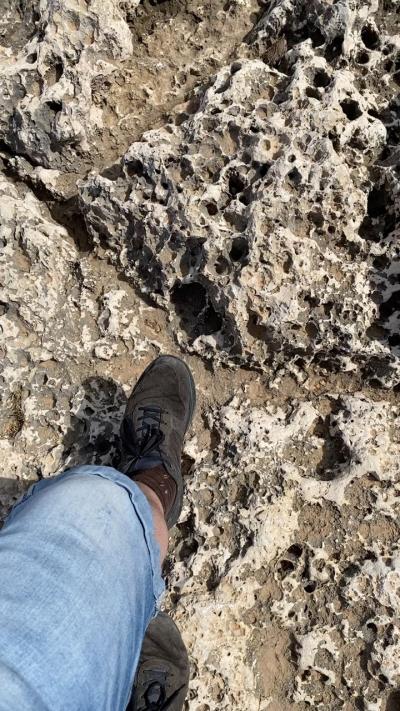
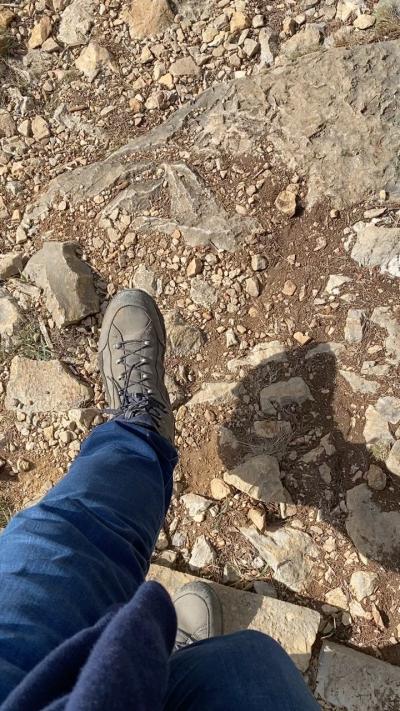
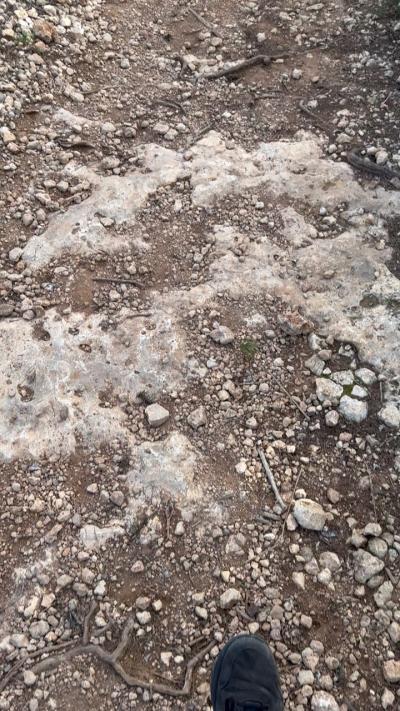
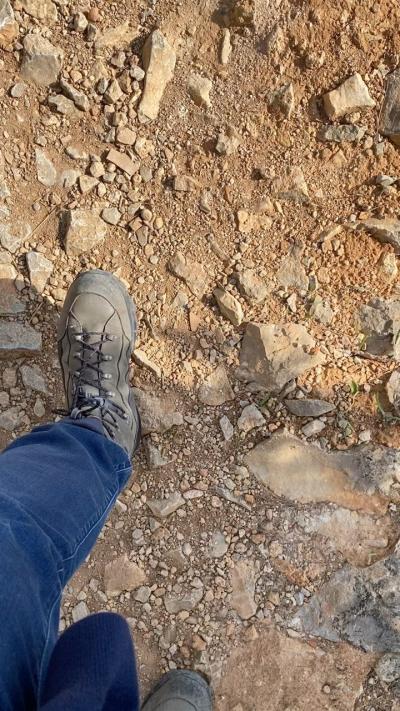
In recent years, hiking routes around the Serra de Tramuntana have become better signposted and more accessible, making it easier to explore the island’s rugged landscapes with confidence. Choosing the right gear is still key, especially if you plan to tackle trails near towns like Sóller or Valldemossa, where rocky paths and sudden changes in elevation demand sturdy footwear. Well-fitted hiking boots with good grip are indispensable to navigate these mountainous tracks safely, particularly on the often uneven Ma-10 road stretches.
Layering your clothing remains a smart approach due to the microclimates encountered between the coast and higher altitudes. Breathable base layers coupled with a light fleece or windbreaker will help you adjust from the warmth of a cove like Cala Mondragó to cooler, breezier conditions near Puig Major. Sunscreen and a wide-brimmed hat are crucial under the Mediterranean sun, especially on clear days when the sun reflects off the limestone cliffs.
Packing a backpack with hydration – water bottles or a hydration bladder – is necessary, as water fountains can be sparse on longer routes. Also, snacks like almonds or local ensaimadas provide a quick energy lift. A small first-aid kit can address blisters or minor scrapes, and a map or GPS device is advisable if you stray from the main trails or explore less-frequented paths near places like Deia or Formentor. Insect repellent might be useful in woodland stretches, but the sea breeze usually keeps bugs minimal along coastal hikes.
Ultimately, combining these practical items with awareness of local weather and trail conditions will make your trekking across Mallorca’s stunning terrain both safe and enjoyable, whether you're wandering through pine forests above Alcúdia or descending to the turquoise waters of Es Trenc.
Layering your clothing remains a smart approach due to the microclimates encountered between the coast and higher altitudes. Breathable base layers coupled with a light fleece or windbreaker will help you adjust from the warmth of a cove like Cala Mondragó to cooler, breezier conditions near Puig Major. Sunscreen and a wide-brimmed hat are crucial under the Mediterranean sun, especially on clear days when the sun reflects off the limestone cliffs.
Packing a backpack with hydration – water bottles or a hydration bladder – is necessary, as water fountains can be sparse on longer routes. Also, snacks like almonds or local ensaimadas provide a quick energy lift. A small first-aid kit can address blisters or minor scrapes, and a map or GPS device is advisable if you stray from the main trails or explore less-frequented paths near places like Deia or Formentor. Insect repellent might be useful in woodland stretches, but the sea breeze usually keeps bugs minimal along coastal hikes.
Ultimately, combining these practical items with awareness of local weather and trail conditions will make your trekking across Mallorca’s stunning terrain both safe and enjoyable, whether you're wandering through pine forests above Alcúdia or descending to the turquoise waters of Es Trenc.

More Fotos