What are the most popular historical landmarks in Palma itself?
Similar Topics
Palma landmarks
La Seu Cathedral
Royal Palace of La Almudaina
Castell de Bellver
Mallorca history
Gothic architecture
Baroque influences
Old Town Palma
Mallorca travel
Mediterranean culture
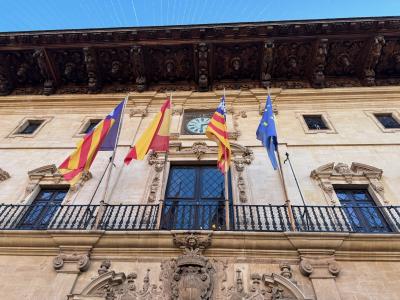
Palma, the vibrant capital of Mallorca, is steeped in history and brimming with remarkable landmarks that reflect its rich cultural heritage. One of the most iconic sites is the majestic La Seu Cathedral, a stunning example of Gothic architecture that dominates the city's skyline. Construction began in the 13th century, and its intricate details, including the breathtaking rose window and the beautiful altarpiece by Miquel Barceló, make it a must-visit. The cathedral is situated right by the sea, offering picturesque views and a serene atmosphere, especially during sunset.
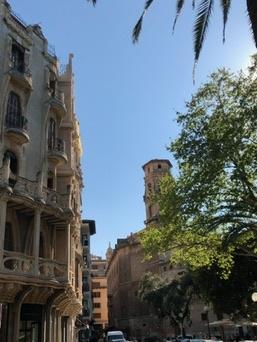
Another notable landmark is the Royal Palace of La Almudaina, located adjacent to the cathedral. Originally a Moorish fortress, it was transformed into a royal residence and showcases a mix of architectural styles, including Gothic and Baroque influences. Visitors can explore its grand halls and lush gardens while absorbing the history of the island's royal family. Just a short stroll away, the charming streets of the Old Town beckon with their narrow alleys, lined with medieval buildings, quaint shops, and inviting cafes, providing a delightful backdrop to soak up the local culture.
In addition to these prominent sites, the Castell de Bellver offers a unique perspective on Palma’s history. Perched on a hilltop, this circular castle dates back to the 14th century and provides stunning panoramic views of the city and the surrounding bay. The castle's well-preserved structure and fascinating exhibitions delve into Mallorca’s past, making it a worthwhile stop for history enthusiasts. Together, these landmarks not only highlight Palma's historical significance but also invite visitors to appreciate the enchanting blend of culture, architecture, and scenic beauty that defines this Mediterranean gem.
Another notable landmark is the Royal Palace of La Almudaina, located adjacent to the cathedral. Originally a Moorish fortress, it was transformed into a royal residence and showcases a mix of architectural styles, including Gothic and Baroque influences. Visitors can explore its grand halls and lush gardens while absorbing the history of the island's royal family. Just a short stroll away, the charming streets of the Old Town beckon with their narrow alleys, lined with medieval buildings, quaint shops, and inviting cafes, providing a delightful backdrop to soak up the local culture.
In addition to these prominent sites, the Castell de Bellver offers a unique perspective on Palma’s history. Perched on a hilltop, this circular castle dates back to the 14th century and provides stunning panoramic views of the city and the surrounding bay. The castle's well-preserved structure and fascinating exhibitions delve into Mallorca’s past, making it a worthwhile stop for history enthusiasts. Together, these landmarks not only highlight Palma's historical significance but also invite visitors to appreciate the enchanting blend of culture, architecture, and scenic beauty that defines this Mediterranean gem.
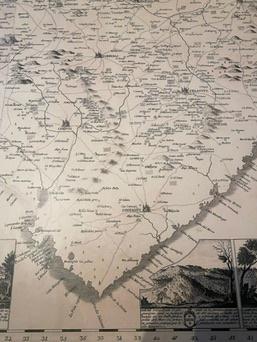
Sa Fonts Seca
More Fotos