What role did tourism play in Mallorca's economy during and after the dictatorship?
Similar Topics
Mallorca tourism
Mallorca economy
Franco dictatorship tourism
beaches in Mallorca
sustainable tourism Mallorca
mass tourism Mallorca
Mallorca travel
Mallorca cultural exchange
tourist infrastructure Mallorca
Mallorca environmental concerns
Tourism has played a vital role in shaping Mallorca's economy, particularly during and after the dictatorship of Francisco Franco, which lasted from 1939 to 1975. During this period, the Spanish government recognized the potential of tourism as a means to stimulate economic growth and attract foreign investment. Mallorca, with its stunning landscapes, beautiful beaches, and mild climate, became an appealing destination for tourists, particularly from northern Europe. The government began investing in infrastructure, such as roads and hotels, which facilitated the influx of visitors. This marked the beginning of a tourism boom that would significantly contribute to the island's GDP and create job opportunities for locals.
After the dictatorship ended, Mallorca experienced a surge in tourism that transformed its economy and society. The lifting of restrictions and the opening up of Spain to international markets allowed for a more diverse range of tourists, leading to an increase in flights and package deals. This period saw the rise of mass tourism, with many developed resorts along the coastline catering to tourists seeking sun and leisure. While this influx brought economic benefits, it also led to challenges, such as overdevelopment and environmental concerns. Nonetheless, the tourism industry became the backbone of Mallorca's economy, providing livelihoods for thousands and fostering a vibrant cultural exchange that enriched the local community.
Today, while Mallorca continues to rely heavily on tourism, there is a growing emphasis on sustainable practices and preserving the island's natural beauty and cultural heritage. The lessons learned from the rapid expansion during and after the dictatorship have prompted a shift toward more responsible tourism initiatives, ensuring that future generations can enjoy the unique charm of this Mediterranean paradise. This ongoing evolution reflects not only the resilience of the economy but also the island's commitment to balancing growth with sustainability.
After the dictatorship ended, Mallorca experienced a surge in tourism that transformed its economy and society. The lifting of restrictions and the opening up of Spain to international markets allowed for a more diverse range of tourists, leading to an increase in flights and package deals. This period saw the rise of mass tourism, with many developed resorts along the coastline catering to tourists seeking sun and leisure. While this influx brought economic benefits, it also led to challenges, such as overdevelopment and environmental concerns. Nonetheless, the tourism industry became the backbone of Mallorca's economy, providing livelihoods for thousands and fostering a vibrant cultural exchange that enriched the local community.
Today, while Mallorca continues to rely heavily on tourism, there is a growing emphasis on sustainable practices and preserving the island's natural beauty and cultural heritage. The lessons learned from the rapid expansion during and after the dictatorship have prompted a shift toward more responsible tourism initiatives, ensuring that future generations can enjoy the unique charm of this Mediterranean paradise. This ongoing evolution reflects not only the resilience of the economy but also the island's commitment to balancing growth with sustainability.
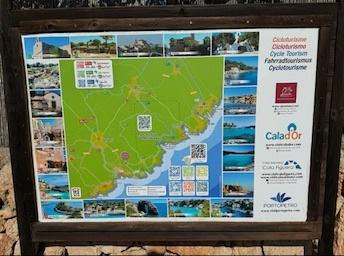
Cala Figuera
More Fotos