What is the history behind the Monastery of Lluc itself?
Similar Topics
Monastery of Lluc
Mallorca history
Tramuntana mountains
La Moreneta
Mallorca pilgrimage
Gothic architecture Mallorca
Mallorca cultural heritage
spirituality in Mallorca
Mallorca travel destinations
Monastery museum
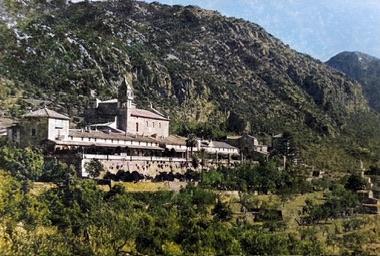
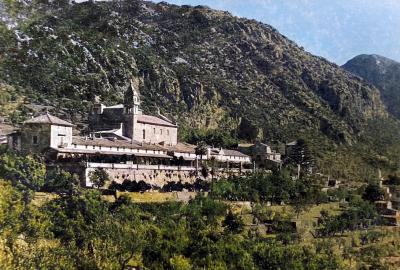
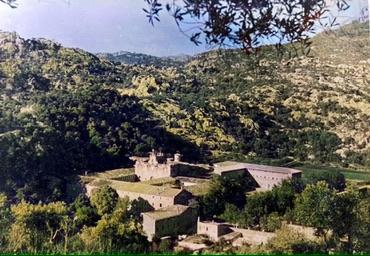
The Monastery of Lluc, nestled in the Tramuntana mountains of Mallorca, has a rich and storied history that dates back to the 13th century. It was established in the year 1230, shortly after the Christian conquest of the island, when it was decided to build a sanctuary for a statue of the Virgin Mary, known as La Moreneta, which is believed to have been found in a nearby cave. This small sanctuary quickly gained popularity among pilgrims and locals alike, leading to the expansion of the site into a full-fledged monastery.
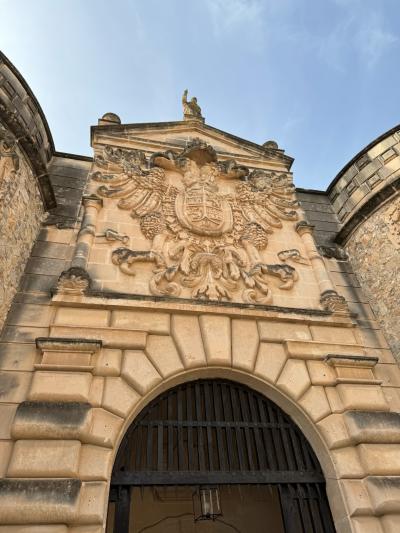
Over the centuries, the Monastery of Lluc has undergone numerous renovations and expansions, reflecting the changing architectural styles and the growing devotion of the faithful. In the 15th century, it was transformed into a Gothic structure, which still retains much of its original charm today. The monastery became a center of spirituality and education, attracting monks who contributed to its development and the preservation of its heritage. Throughout the 19th century, it faced challenges, including the secularization movement, but it managed to remain an important pilgrimage site.
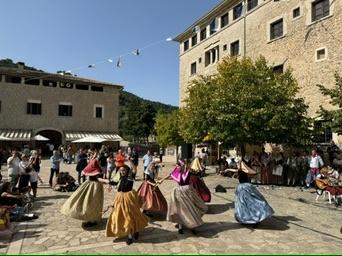
Today, the Monastery of Lluc is not just a religious site but also a cultural symbol of Mallorca. It serves as a vital center for the community, housing a museum that showcases its history and the island's cultural heritage. Visitors can admire the beautiful gardens, attend mass, and enjoy the serene atmosphere that has drawn people for centuries. The surrounding natural beauty of the Tramuntana mountains enhances the experience, making it a perfect destination for those seeking both spiritual solace and a taste of Mallorca's rich history.
Over the centuries, the Monastery of Lluc has undergone numerous renovations and expansions, reflecting the changing architectural styles and the growing devotion of the faithful. In the 15th century, it was transformed into a Gothic structure, which still retains much of its original charm today. The monastery became a center of spirituality and education, attracting monks who contributed to its development and the preservation of its heritage. Throughout the 19th century, it faced challenges, including the secularization movement, but it managed to remain an important pilgrimage site.
Today, the Monastery of Lluc is not just a religious site but also a cultural symbol of Mallorca. It serves as a vital center for the community, housing a museum that showcases its history and the island's cultural heritage. Visitors can admire the beautiful gardens, attend mass, and enjoy the serene atmosphere that has drawn people for centuries. The surrounding natural beauty of the Tramuntana mountains enhances the experience, making it a perfect destination for those seeking both spiritual solace and a taste of Mallorca's rich history.
More Fotos