How do Mallorcan towns organize their traditional festivals and cultural events?
Similar Topics
local communities
cultural events
mallorca festivals
traditional celebrations
pa amb oli
sant sebastia
binissalem wine
sustainable tourism
In towns like Palma, Pollenca, and Valldemossa, local residents take the lead in bringing traditional festivals to life, preserving the island’s rich heritage. The community’s role goes beyond simple planning; it embodies the spirit of celebrations such as the vibrant Sant Sebastià in Palma or the Festa de l’Ametler in Sóller. These events reflect centuries-old customs, with locals passing down rituals and stories that anchor the festivities deeply within the town’s identity.
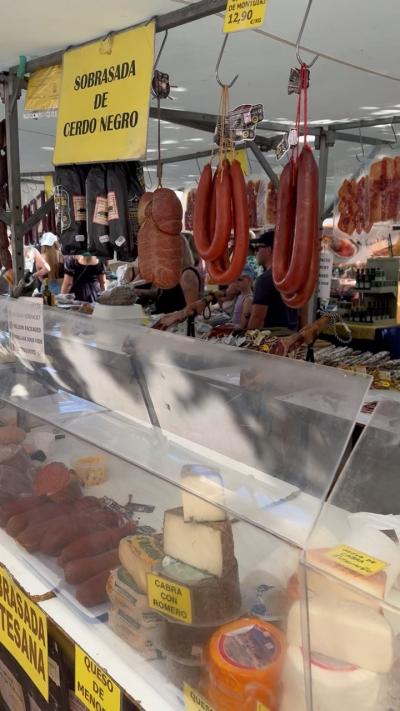
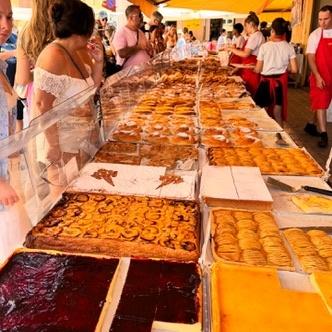
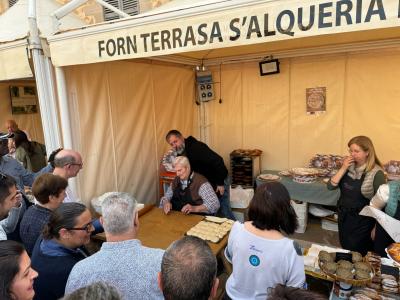
Locals often coordinate every aspect, from arranging for traditional music and dances to staging public lunches featuring local delicacies like pa amb oli and sobrassada. Artisans, musicians, and growers from nearby villages are frequently invited to participate, ensuring that regional creativity and flavors are showcased authentically. This hands-on involvement creates a genuine connection between residents and visitors, encouraging a shared appreciation for the area’s culture.
Community-driven events also strengthen social ties across generations and neighborhoods. From children learning dances in Deia to elderly storytellers recounting legends in Alcudia, participation is inclusive, fostering a sense of belonging and continuity. Furthermore, this grassroots organisation supports sustainable tourism by promoting respectful interactions that highlight traditional craftsmanship and local food and drink, such as Hierbas and Binissalem wine, rather than commercialized attractions.
By carrying these festivals forward themselves, Mallorcan communities not only protect their cultural legacy but also create welcoming experiences for travelers eager to delve into authentic island life, from the narrow streets of Manacor to the sunlit coves of Cala Mondrago.
Locals often coordinate every aspect, from arranging for traditional music and dances to staging public lunches featuring local delicacies like pa amb oli and sobrassada. Artisans, musicians, and growers from nearby villages are frequently invited to participate, ensuring that regional creativity and flavors are showcased authentically. This hands-on involvement creates a genuine connection between residents and visitors, encouraging a shared appreciation for the area’s culture.
Community-driven events also strengthen social ties across generations and neighborhoods. From children learning dances in Deia to elderly storytellers recounting legends in Alcudia, participation is inclusive, fostering a sense of belonging and continuity. Furthermore, this grassroots organisation supports sustainable tourism by promoting respectful interactions that highlight traditional craftsmanship and local food and drink, such as Hierbas and Binissalem wine, rather than commercialized attractions.
By carrying these festivals forward themselves, Mallorcan communities not only protect their cultural legacy but also create welcoming experiences for travelers eager to delve into authentic island life, from the narrow streets of Manacor to the sunlit coves of Cala Mondrago.
Santanyí
More Fotos