What traditional dishes remain popular on the island despite modern dining trends?
Similar Topics
traditional dishes
pa amb oli
sobrassada
ensaimada
binissalem wine
tumbet
hierbas liqueur
local cuisine
The scent of freshly baked ensaimadas drifting from local bakeries and the sight of pa amb oli—rustic bread rubbed with ripe tomatoes and drizzled with olive oil—on market stalls is a familiar scene in Palma and Valldemossa alike. Despite a growing array of international and fusion restaurants, these timeless dishes continue to hold a special place at Mallorca’s tables. Sobrassada, a soft cured sausage made from pork and paprika, remains a staple, celebrated both as a snack and an ingredient in numerous local recipes. It’s often paired with local cheeses or spread on crusty bread, evoking the island’s pastoral traditions.
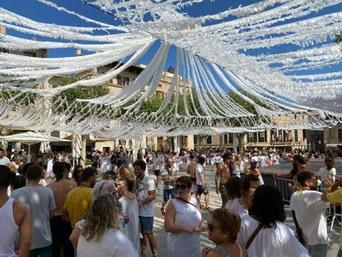
Another enduring favorite is tumbet, a vegetable medley of fried aubergines, peppers, and potatoes layered beneath a rich tomato sauce, showcasing the island’s agricultural bounty. Accompanying meals, a glass of Binissalem wine or a measure of herbal Palo or Hierbas liqueur serves to round out the authentic dining experience. Seasonal festivals like Festa de l’Ametler highlight almond-based sweets, and street stalls during Sant Sebastià reveal generations’ worth of recipes, weaving food deeply into the island’s cultural fabric. Even as new tastes emerge along the Ma-13 and in Palma’s gourmet quarters, these dishes endure, anchoring locals and visitors alike in the island’s rich culinary heritage.
Another enduring favorite is tumbet, a vegetable medley of fried aubergines, peppers, and potatoes layered beneath a rich tomato sauce, showcasing the island’s agricultural bounty. Accompanying meals, a glass of Binissalem wine or a measure of herbal Palo or Hierbas liqueur serves to round out the authentic dining experience. Seasonal festivals like Festa de l’Ametler highlight almond-based sweets, and street stalls during Sant Sebastià reveal generations’ worth of recipes, weaving food deeply into the island’s cultural fabric. Even as new tastes emerge along the Ma-13 and in Palma’s gourmet quarters, these dishes endure, anchoring locals and visitors alike in the island’s rich culinary heritage.

Cala Figuera
More Fotos