How does the cuisine in Mallorca compare to other Balearic islands?
Similar Topics
mallorca cuisine
balearic islands food
sobrasada Mallorca
ensaimada pastry
menorca seafood
ibiza tapas
culinary traditions Mallorca
local produce Mallorca
traditional dishes Balearics
travel Mallorca
Mallorca’s cuisine is a delightful reflection of its rich cultural heritage and geographical bounty, making it distinct yet connected to the other Balearic islands, such as Menorca and Ibiza. The island is known for its hearty and rustic dishes, often featuring local produce, fresh seafood, and traditional methods of preparation. One of the standout dishes is "sobrasada," a cured sausage made from pork, paprika, and spices, which showcases the island’s affinity for bold flavors. Additionally, "ensaimada," a sweet pastry spiraled with lard, is a beloved treat that perfectly illustrates Mallorca's culinary tradition of combining sweet and savory elements.
In contrast, Menorca leans towards a slightly lighter cuisine, heavily influenced by its maritime location, which emphasizes fresh fish and seafood dishes like "caldereta de langosta," a rich lobster stew that highlights the island’s fishing heritage. Meanwhile, Ibiza tends to embody a more cosmopolitan flair, embracing a fusion of Mediterranean and international influences, which can be seen in its vibrant tapas scene and innovative culinary offerings. The use of local herbs and vegetables is prevalent across all the islands, but each has its unique twist on traditional recipes, leading to a diverse culinary landscape.
Overall, while all three Balearic islands share some common ingredients and flavors, Mallorca stands out for its heartiness and traditional approach to cuisine. The island's rustic dishes and emphasis on local products create a unique dining experience that invites travelers to savor the essence of Mallorca. Exploring the culinary differences among the islands adds an enriching layer to your travel experience, allowing you to appreciate the distinct identities that each island embodies through its food.
In contrast, Menorca leans towards a slightly lighter cuisine, heavily influenced by its maritime location, which emphasizes fresh fish and seafood dishes like "caldereta de langosta," a rich lobster stew that highlights the island’s fishing heritage. Meanwhile, Ibiza tends to embody a more cosmopolitan flair, embracing a fusion of Mediterranean and international influences, which can be seen in its vibrant tapas scene and innovative culinary offerings. The use of local herbs and vegetables is prevalent across all the islands, but each has its unique twist on traditional recipes, leading to a diverse culinary landscape.
Overall, while all three Balearic islands share some common ingredients and flavors, Mallorca stands out for its heartiness and traditional approach to cuisine. The island's rustic dishes and emphasis on local products create a unique dining experience that invites travelers to savor the essence of Mallorca. Exploring the culinary differences among the islands adds an enriching layer to your travel experience, allowing you to appreciate the distinct identities that each island embodies through its food.
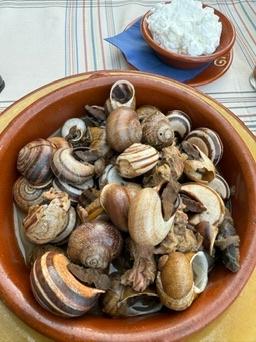
s'Horta
More Fotos