How do contemporary architects on Mallorca incorporate the island’s historic styles into their modern designs?
Similar Topics
mallorca architecture
palma modern design
tramuntana homes
traditional mallorcan style
contemporary finca
valldemossa architecture
sustainable design mallorca
historic building renovation
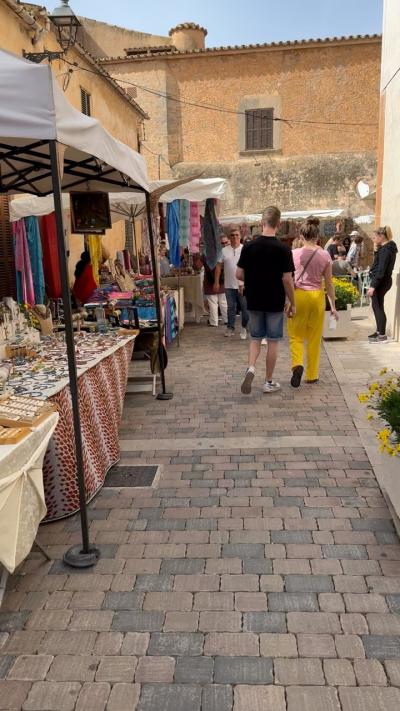
In towns like Palma and Valldemossa, contemporary architects often draw on Mallorca’s rich architectural heritage for inspiration. The elegant Gothic arches and rustic stonework seen in centuries-old buildings influence new projects, blending tradition with modernity. Rather than replicating historical elements outright, designers reinterpret features such as the characteristic wooden shutters, wrought iron balconies, and terracotta roofs, integrating them into clean, contemporary lines and open, light-filled interiors.
On the coastal roads near Deià or along the Ma-10, many modern homes take cues from the island’s rural fincas, using natural stone and earthy materials to harmonize with the rugged Tramuntana landscape. This local vernacular adapts well to sustainable building practices, emphasizing natural ventilation and solar orientation that were hallmarks of traditional Mallorcan design. Interiors may feature artisanal touches reminiscent of past craftsmanship, like hand-painted tiles or wrought iron details, but balanced with minimalist, modern aesthetics.
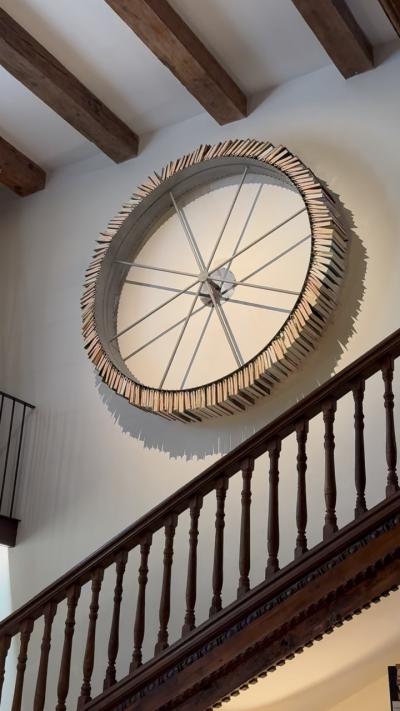
Municipal projects across Palma also reflect this dialogue between past and present. Renovations of historical buildings often preserve key structural elements while introducing glass, steel, and contemporary fittings, creating spaces that feel both rooted in history and refreshingly current. This approach not only respects the island's cultural identity but also addresses the needs of today’s residents and visitors, marrying Mallorca’s architectural past with a sustainable and advanced future.
On the coastal roads near Deià or along the Ma-10, many modern homes take cues from the island’s rural fincas, using natural stone and earthy materials to harmonize with the rugged Tramuntana landscape. This local vernacular adapts well to sustainable building practices, emphasizing natural ventilation and solar orientation that were hallmarks of traditional Mallorcan design. Interiors may feature artisanal touches reminiscent of past craftsmanship, like hand-painted tiles or wrought iron details, but balanced with minimalist, modern aesthetics.
Municipal projects across Palma also reflect this dialogue between past and present. Renovations of historical buildings often preserve key structural elements while introducing glass, steel, and contemporary fittings, creating spaces that feel both rooted in history and refreshingly current. This approach not only respects the island's cultural identity but also addresses the needs of today’s residents and visitors, marrying Mallorca’s architectural past with a sustainable and advanced future.

More Fotos



Related Questions
Related Question
Are there affordable sea view accommodations available on Mallorca during the quiet season?
Related Question
What is the legal age for entering casinos like Casino de Mallorca in Palma?
Related Question
Are there any local restaurants or cafes with scenic views around Palma or nearby towns?