How do Mallorca's native plants support its natural environment and wildlife?
Similar Topics
mallorca native plants
serra de tramuntana
mediterranean flora
local biodiversity
soil erosion prevention
pollinators mallorca
binissalem vineyards
sustainability mallorca
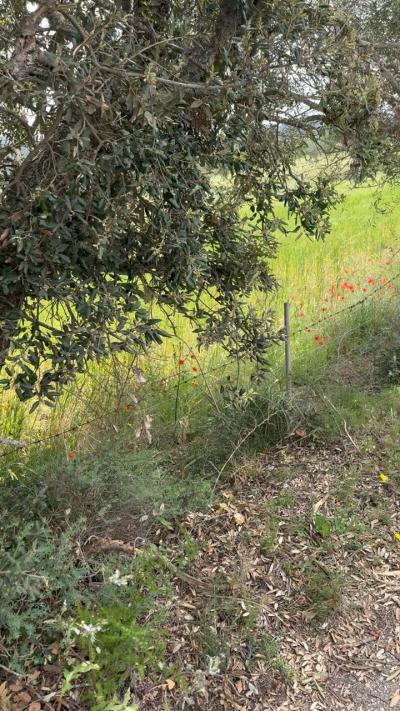
Locals on the island often appreciate how integral native plants are to sustaining the rugged landscapes, especially along the Serra de Tramuntana and the dry plains near Manacor. These species have evolved to thrive in Mallorca's Mediterranean climate, creating the backbone for much of the island’s biodiversity. Mediterranean pines, rosemary, and the evergreen oak woodland not only provide shelter and sustenance for endemic birds and insects but form vital links in the local food chain. For example, the aromatic thyme and lavender fields attract bees and butterflies crucial for pollination, helping maintain a healthy balance in the fragile ecosystem.
Beyond wildlife support, native vegetation plays a key role in protecting the island’s soil and water resources. Their deep roots prevent erosion on the steep slopes near towns such as Pollenca and Valldemossa, particularly important during seasonal rains. This natural ground anchoring also aids rainwater absorption, preserving aquifers that are essential for villages and vineyards around Binissalem. Because these plants are adapted to the region’s pests and drought conditions, they require minimal human intervention, making them both resilient and environmentally sustainable.
The cultural heritage of Mallorca is deeply tied to this native flora, celebrated during local events like the Festa de l'Ametler in blossoming almond groves and evident in traditional countryside gardens of Deia and Soller. Preserving these plants nurtures the island’s scenic beauty and the character ingrained in its villages, linking nature directly to the people’s identity. Understanding the role of the native flora thus enriches the experience of exploring Mallorca’s landscapes and supports ongoing conservation efforts vital to its future.
Beyond wildlife support, native vegetation plays a key role in protecting the island’s soil and water resources. Their deep roots prevent erosion on the steep slopes near towns such as Pollenca and Valldemossa, particularly important during seasonal rains. This natural ground anchoring also aids rainwater absorption, preserving aquifers that are essential for villages and vineyards around Binissalem. Because these plants are adapted to the region’s pests and drought conditions, they require minimal human intervention, making them both resilient and environmentally sustainable.
The cultural heritage of Mallorca is deeply tied to this native flora, celebrated during local events like the Festa de l'Ametler in blossoming almond groves and evident in traditional countryside gardens of Deia and Soller. Preserving these plants nurtures the island’s scenic beauty and the character ingrained in its villages, linking nature directly to the people’s identity. Understanding the role of the native flora thus enriches the experience of exploring Mallorca’s landscapes and supports ongoing conservation efforts vital to its future.

More Fotos