What local traditions and customs should I know about if I want to experience bullfighting culture in Mallorca?
- Bullfighting mallorca
- Matador traditions
- Faena ceremony
- Sant sebastia festival
- Pa amb oli
- Sobrassada
- Binissalem wine
- Mallorca cultural events
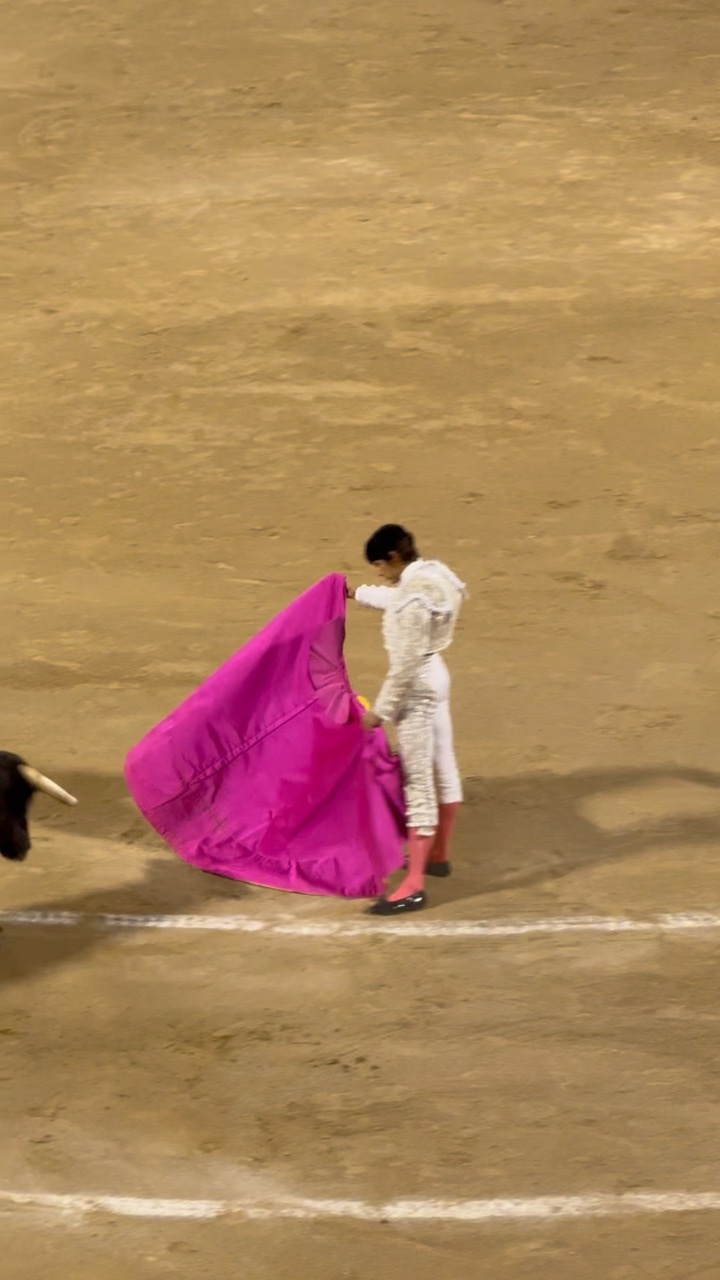
In towns like Manacor and occasionally Palma, bullfighting events carry a distinct regional flavor that reflects the island’s cultural roots. While not as widespread as on the mainland, when bullfights do occur, they are deeply tied to local festivals and community gatherings rather than just sport. Attendees often dress modestly, and there’s a quiet reverence in the air, emphasizing respect both for the bull and for the skill of the matador. The performance is regarded as a ceremonial display of bravery and technique, a tradition passed down through generations in the Balearics.
During these events, silence and focused attention are the norm, especially during the faena — the crucial final act of the fight — where tension among the crowd builds palpably. Applause follows the matador's graceful movements and is not uncommon even if the outcome is tragic for the bull. In Mallorca, the awarding of the bull’s ear is recognized as a prestigious honor, signifying an outstanding performance and mastery of bullfighting art.
Bullfighting here melds with island festivals such as Sant Sebastià, where music, local wine from Binissalem, and traditional dishes like pa amb oli and sobrassada complement the atmosphere. These events foster a strong sense of community, turning bullfighting into a shared cultural expression rather than a mere spectacle. Visitors keen on understanding these customs should approach with respect and an open mind to fully appreciate the island’s nuanced interpretation of a tradition so emblematic of the Mediterranean world.