What traditional Mallorcan dishes should I try when visiting the island?
Similar Topics
pa amb oli
sobrassada
ensaimada
tumbet
binissalem wine
hierbas
palo
festa de l'ametler
Locals here tend to savor their traditional dishes with family and friends, often gathering over meals that highlight the bounty of the island’s land and sea. One staple you shouldn’t miss is pa amb oli, a simple yet flavorful combination of local bread rubbed with ripe tomatoes, drizzled with olive oil, and topped with Mallorcan cheese or cured sobrassada sausage. This is a perfect snack after a morning exploring towns like Valldemossa or Deià.
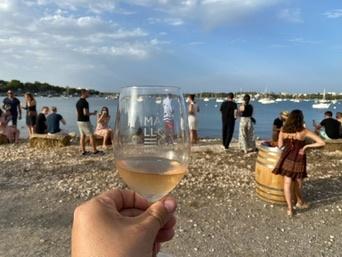
For a full meal, try tumbet, a hearty vegetable medley layered with fried potatoes, aubergines, and red peppers, typically baked with a rich tomato sauce. It reflects the island's rural traditions and Mediterranean flavors beautifully. To accompany your food, sample a glass of Binissalem wine or sip local spirits such as Hierbas—an aromatic herb liqueur—or Palo, made from gentian root, often enjoyed as a digestif.
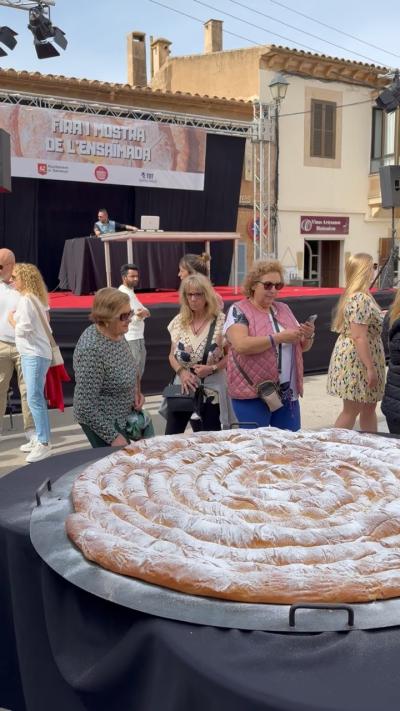
Don’t leave the island without tasting an ensaimada, a fluffy, spiral-shaped pastry dusted with powdered sugar. It’s a favorite breakfast choice in Palma’s cafés. Seasonal festivals, like the Festa de l’Ametler in February or Sant Sebastià in January, offer opportunities to try these dishes fresh and accompanied by local festivities, showcasing the warm, communal spirit found throughout the island.
For a full meal, try tumbet, a hearty vegetable medley layered with fried potatoes, aubergines, and red peppers, typically baked with a rich tomato sauce. It reflects the island's rural traditions and Mediterranean flavors beautifully. To accompany your food, sample a glass of Binissalem wine or sip local spirits such as Hierbas—an aromatic herb liqueur—or Palo, made from gentian root, often enjoyed as a digestif.
Don’t leave the island without tasting an ensaimada, a fluffy, spiral-shaped pastry dusted with powdered sugar. It’s a favorite breakfast choice in Palma’s cafés. Seasonal festivals, like the Festa de l’Ametler in February or Sant Sebastià in January, offer opportunities to try these dishes fresh and accompanied by local festivities, showcasing the warm, communal spirit found throughout the island.
More Fotos

Related Questions
Related Question
What beaches and attractions can I visit near Palma after spending time in the city?
Related Question
Are there any museums in Palma dedicated to the history of bullfighting or local traditions?
Related Question
Where can I enjoy unique dining experiences with spectacular views of the bay in Mallorca?