How have traditional ceramic tiles influenced Mallorca's cultural and artistic heritage over time?
Similar Topics
mallorca tiles
ceramic heritage
traditional stoves
serra de tramuntana
manacor artisans
palma design
tile craftsmanship
mediterranean art
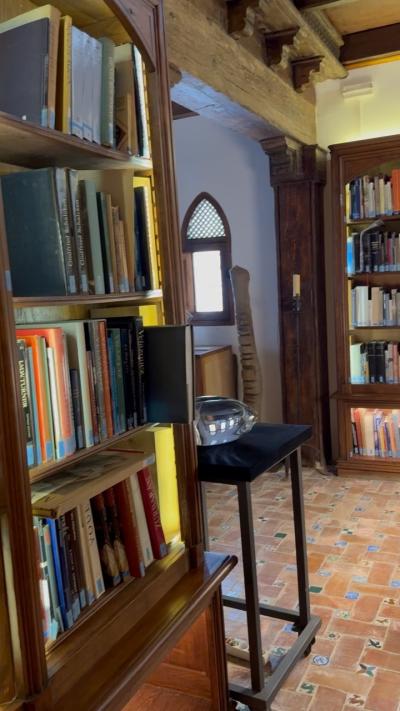
In many of Mallorca’s older homes, it’s the understated ceramic tiles—often adorning fireplaces and stove surrounds—that quietly reveal the island’s artistic evolution. These tiles were originally crafted not just for their decorative appeal but for their practical role in heat retention, especially in traditional wood-fired stoves common in rural fincas. Early designs frequently drew upon religious motifs, local folklore, and nature, reflecting the identity of families and communities in towns like Valldemossa and Pollenca.
As the centuries progressed, particularly through the 17th and 18th centuries, these ceramic tiles transitioned from purely functional objects to cherished art forms. Wealthier Mallorcans began commissioning intricate patterned tiles to display taste and status, with vibrant blues and earthy tones echoing influences from across the Mediterranean. The arrival of industrial techniques in the 19th century broadened access, allowing decorative tiles to become a common feature not only in Palma’s grander city homes but also in rustic houses scattered along the Serra de Tramuntana.
Today, these traditional tiles continue to inspire local artisans and designers who strive to blend Mallorca’s heritage with contemporary style. Workshops in Manacor and Deià often incorporate classic tile-making methods, preserving a craft that embodies the island's blend of cultural memory and everyday beauty. Displayed in galleries and restored public buildings, Mallorca’s ceramic tiles stand as lasting symbols bridging past and present, inviting visitors to appreciate the stories embedded in their colors and patterns.
As the centuries progressed, particularly through the 17th and 18th centuries, these ceramic tiles transitioned from purely functional objects to cherished art forms. Wealthier Mallorcans began commissioning intricate patterned tiles to display taste and status, with vibrant blues and earthy tones echoing influences from across the Mediterranean. The arrival of industrial techniques in the 19th century broadened access, allowing decorative tiles to become a common feature not only in Palma’s grander city homes but also in rustic houses scattered along the Serra de Tramuntana.
Today, these traditional tiles continue to inspire local artisans and designers who strive to blend Mallorca’s heritage with contemporary style. Workshops in Manacor and Deià often incorporate classic tile-making methods, preserving a craft that embodies the island's blend of cultural memory and everyday beauty. Displayed in galleries and restored public buildings, Mallorca’s ceramic tiles stand as lasting symbols bridging past and present, inviting visitors to appreciate the stories embedded in their colors and patterns.

More Fotos