What is the history behind the Palma Cathedral?
Similar Topics
Palma Cathedral
La Seu
Mallorca history
Gothic architecture
King James I
Antoni Gaudí
stained glass windows
cultural heritage
religious ceremonies
Mallorca travel
The Palma Cathedral, known as La Seu, stands majestically on the coast of Mallorca and is a symbol of the island's rich history. Construction began in 1229, shortly after the Christian conquest of Mallorca, under the direction of King James I of Aragon. The cathedral was built on the site of a former mosque, reflecting the island's transition from Islamic to Christian rule. Over the centuries, its design evolved, incorporating elements of Gothic architecture, which became prominent in the 14th century. The cathedral's towering structure, with its stunning rose window and intricate flying buttresses, showcases the artistry of the era and serves as a testament to the skill of the architects and builders of that time.
As you explore the cathedral, you'll notice that it has undergone various renovations and expansions, with significant contributions by renowned architect Antoni Gaudí in the early 20th century. Gaudí's vision added a unique touch, particularly with the incorporation of colorful stained glass windows that filter light beautifully into the vast interior space. The cathedral was completed in its current form in 1601, though the process was lengthy and punctuated by periods of delay due to financial and political challenges. Throughout its history, La Seu has not only served as a place of worship but has also been a focal point for the community, hosting numerous religious ceremonies and celebrations.
Today, Palma Cathedral stands as a remarkable example of Gothic architecture and a symbol of Mallorca's cultural heritage. Visitors can admire its grandeur from both land and sea, and its location provides a stunning backdrop for the vibrant life of Palma. As you wander through its ancient halls, you can't help but feel a connection to the past and appreciate the artistic and historical significance that this magnificent structure holds for both residents and visitors alike.
As you explore the cathedral, you'll notice that it has undergone various renovations and expansions, with significant contributions by renowned architect Antoni Gaudí in the early 20th century. Gaudí's vision added a unique touch, particularly with the incorporation of colorful stained glass windows that filter light beautifully into the vast interior space. The cathedral was completed in its current form in 1601, though the process was lengthy and punctuated by periods of delay due to financial and political challenges. Throughout its history, La Seu has not only served as a place of worship but has also been a focal point for the community, hosting numerous religious ceremonies and celebrations.
Today, Palma Cathedral stands as a remarkable example of Gothic architecture and a symbol of Mallorca's cultural heritage. Visitors can admire its grandeur from both land and sea, and its location provides a stunning backdrop for the vibrant life of Palma. As you wander through its ancient halls, you can't help but feel a connection to the past and appreciate the artistic and historical significance that this magnificent structure holds for both residents and visitors alike.

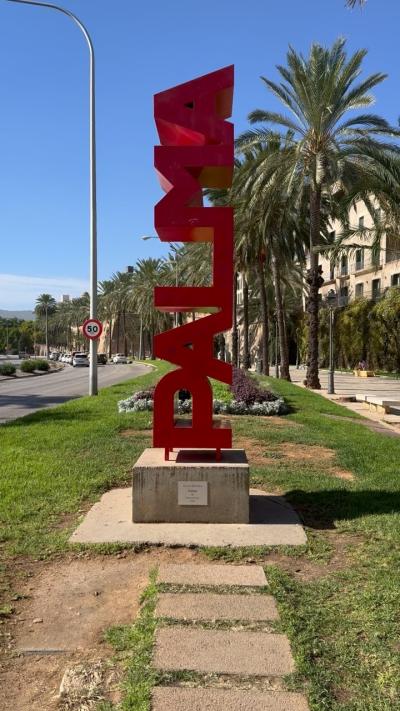
Palma
More Fotos


Related Questions
Related Question
Is there a recommended duration for a visit to make the most of my time there?
Related Question
What kinds of wildlife can I see around the watchtowers in the Serra de Tramuntana?
Related Question
Are there age restrictions for water sports or beach activities around Palma and the Tramuntana?