How did historical foreign influences shape Mallorca's architecture and culture?
Similar Topics
mallorca architecture
palma culture
tramuntana influence
sobrassada
pa amb oli
sant sebastia festival
historic palma
mallorca traditions
In Palma, the capital, the layers of history are visible in the blend of architectural styles that frame the city's winding streets. The Catalan Gothic style of La Seu cathedral towers above, but alongside it, you find neoclassical and Moorish touches, reflecting Mallorca's complex past under various rulers. The influence of different powers, including the Catalans and later the Bourbons, contributed to shaping the island's distinctive aesthetic, seen in ornate stone balconies and charming townhouses throughout places like Valldemossa and Sóller.
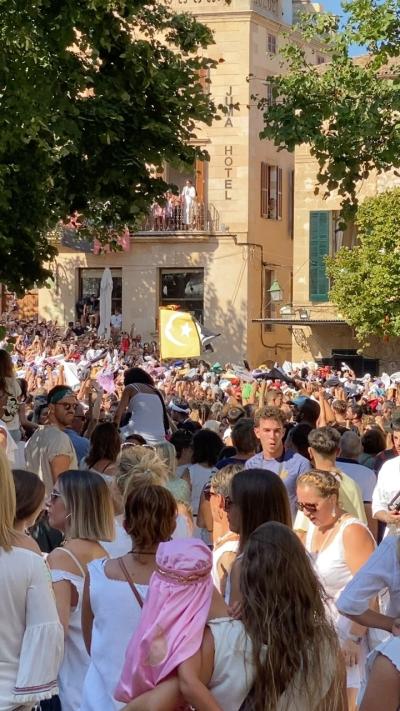
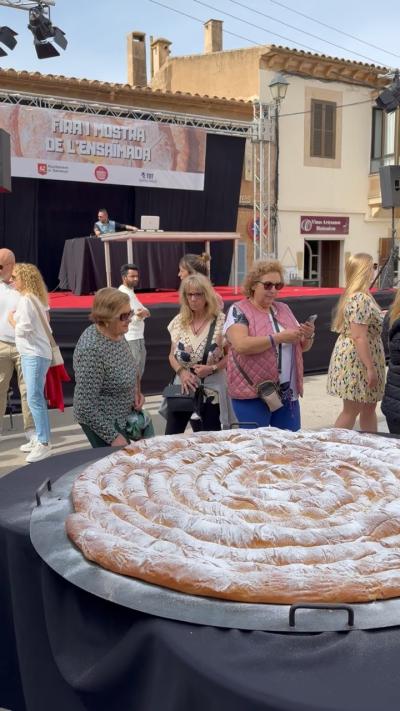
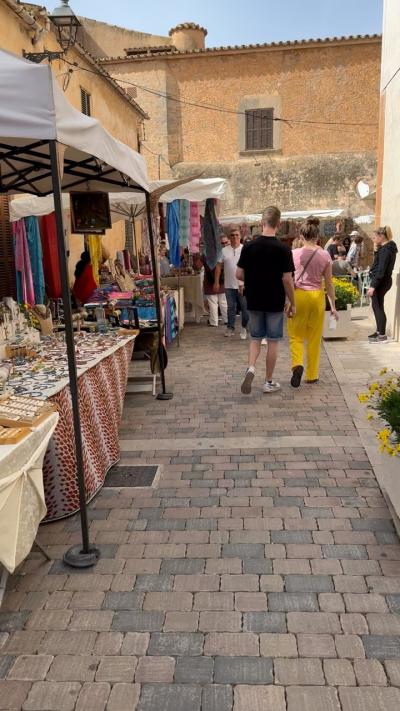
Culturally, Mallorca's traditions reveal a similar tapestry woven from diverse influences. The artisanal markets in towns such as Alcúdia celebrate local crafts, while the cuisine—featuring classics like pa amb oli, sobrassada, and tumbet—reflects a heritage of Mediterranean simplicity enhanced by foreign tastes. Festivals, too, carry echoes of past occupations; for example, the vibrant Sant Sebastià festival in Palma honors the city’s patron saint with parades and fireworks, intertwining religious devotion with lively street culture.
The island's strategic position meant it was a crossroads for trade and ideas, fostering a dynamic community. This is evident not only in built environments but also in local customs and even in the popular local drinks like Hierbas and Palo, which carry stories of cultural exchange. Traveling along the Ma-10 and Ma-19 roads, or hopping on the historic Sóller railway, visitors get a sense of how Mallorca’s architecture and way of life have evolved through centuries of external influence while retaining a unique, authentic identity.
Culturally, Mallorca's traditions reveal a similar tapestry woven from diverse influences. The artisanal markets in towns such as Alcúdia celebrate local crafts, while the cuisine—featuring classics like pa amb oli, sobrassada, and tumbet—reflects a heritage of Mediterranean simplicity enhanced by foreign tastes. Festivals, too, carry echoes of past occupations; for example, the vibrant Sant Sebastià festival in Palma honors the city’s patron saint with parades and fireworks, intertwining religious devotion with lively street culture.
The island's strategic position meant it was a crossroads for trade and ideas, fostering a dynamic community. This is evident not only in built environments but also in local customs and even in the popular local drinks like Hierbas and Palo, which carry stories of cultural exchange. Traveling along the Ma-10 and Ma-19 roads, or hopping on the historic Sóller railway, visitors get a sense of how Mallorca’s architecture and way of life have evolved through centuries of external influence while retaining a unique, authentic identity.

More Fotos