How does Palma and the island handle the extra waste produced by the influx of tourists each year?
Similar Topics
waste management
tourist waste
recycling mallorca
palma environment
single-use plastics
beach cleanliness
tib bus
sustainable tourism
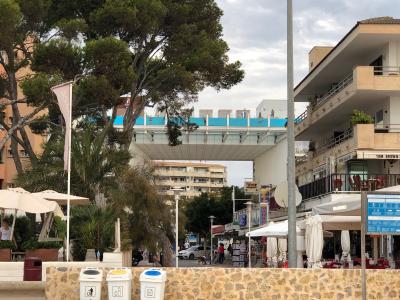
Managing the surge in waste during the busy tourist months requires careful coordination across Palma and other towns such as Alcudia and Pollenca. The local councils work closely with the Balearic government to ramp up collection services, especially along popular beaches like Es Trenc and Cala Mondrago, where litter can accumulate quickly. Recycling bins are a common sight not only in city centres but also at transport hubs like Son Sant Joan airport and ferry ports, encouraging visitors to separate waste responsibly.
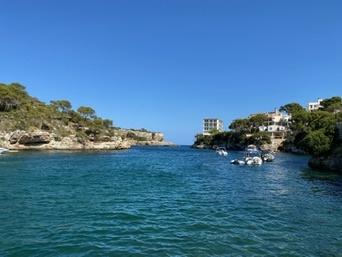
Hotels, restaurants, and shops throughout the island are gradually adopting greener practices, reducing single-use plastics by swapping out straws, cutlery, and bags. Campaigns in the local press and signage in various languages highlight the importance of protecting Mallorca’s natural beauty, from the Serra de Tramuntana to the crystalline coves on the east coast. This helps foster respect for the environment among visitors and residents alike.
During major events such as the Nit de Foc festival or Sant Sebastià in Palma, extra cleaning teams patrol streets and beaches to prevent overflow. In rural areas like Valldemossa and Deia, waste removal schedules are adjusted seasonally to keep pace with visitor numbers. Overall, coordination between municipal services, businesses, and transport networks like the TIB buses ensures that the island stays welcoming and clean, striking a balance between thriving tourism and environmental care.
Hotels, restaurants, and shops throughout the island are gradually adopting greener practices, reducing single-use plastics by swapping out straws, cutlery, and bags. Campaigns in the local press and signage in various languages highlight the importance of protecting Mallorca’s natural beauty, from the Serra de Tramuntana to the crystalline coves on the east coast. This helps foster respect for the environment among visitors and residents alike.
During major events such as the Nit de Foc festival or Sant Sebastià in Palma, extra cleaning teams patrol streets and beaches to prevent overflow. In rural areas like Valldemossa and Deia, waste removal schedules are adjusted seasonally to keep pace with visitor numbers. Overall, coordination between municipal services, businesses, and transport networks like the TIB buses ensures that the island stays welcoming and clean, striking a balance between thriving tourism and environmental care.

Ses Cadenes
More Fotos