How do changes in the seasons influence the local cuisine and menus in Mallorca?
Similar Topics
mallorca food
seasonal menu
pa amb oli
sobrassada
binissalem wine
serra de tramuntana
es trenc beach
local produce
Look closely at the fresh herbs and vegetables sprouting in market stalls around Palma’s Mercat de l’Olivar—these shifts hint at how the island's menus evolve with the seasons. In spring, restaurants often embrace the tender shoots of wild asparagus and local peas, incorporating these vibrant, fresh flavors into lighter dishes that reflect the rebirth found in the nearby Serra de Tramuntana. Traditional recipes like tumbet, with its medley of seasonal vegetables, begin to appear in their freshest forms.
Summer brings a flood of garden-ripe tomatoes, peppers, and stone fruits, shining particularly in coastal towns like Alcudia and Pollenca. The local culinary style turns toward bright, juicy flavors—Pa amb oli is often served with ripe tomatoes and freshly pressed olive oil, paired with a glass of Binissalem wine or a cooling Hierbas. Beachside eateries near Es Trenc and Cala Mondrago take full advantage, preparing grilled vegetables and salads that celebrate the island’s peak agricultural bounty.
As autumn arrives, menus shift to heartier, more robust dishes incorporating pumpkin, chestnuts, and mushrooms harvested from the island’s groves and hillsides. Sobrassada, a spiced cured sausage, becomes a comforting staple on many plates, paired with local bread or roasted vegetables. Winter dining often leans into rustic stews and slow-cooked fare, making use of stored preserves and hearty staples while gatherings during festivals like Nit de Foc inspire warming, communal feasts. Throughout the year, Mallorca’s chefs and home cooks alike respect the natural rhythm of the land, producing an endlessly varied yet deeply rooted food culture.
Summer brings a flood of garden-ripe tomatoes, peppers, and stone fruits, shining particularly in coastal towns like Alcudia and Pollenca. The local culinary style turns toward bright, juicy flavors—Pa amb oli is often served with ripe tomatoes and freshly pressed olive oil, paired with a glass of Binissalem wine or a cooling Hierbas. Beachside eateries near Es Trenc and Cala Mondrago take full advantage, preparing grilled vegetables and salads that celebrate the island’s peak agricultural bounty.
As autumn arrives, menus shift to heartier, more robust dishes incorporating pumpkin, chestnuts, and mushrooms harvested from the island’s groves and hillsides. Sobrassada, a spiced cured sausage, becomes a comforting staple on many plates, paired with local bread or roasted vegetables. Winter dining often leans into rustic stews and slow-cooked fare, making use of stored preserves and hearty staples while gatherings during festivals like Nit de Foc inspire warming, communal feasts. Throughout the year, Mallorca’s chefs and home cooks alike respect the natural rhythm of the land, producing an endlessly varied yet deeply rooted food culture.
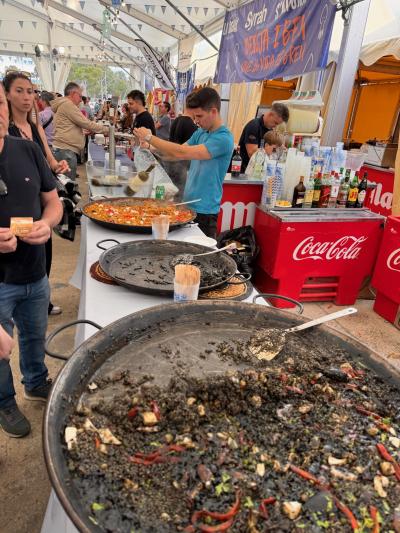
Alcanada
More Fotos

Related Questions
Related Question
Can visitors attend traditional religious services or festivals when staying in Palma or other towns?
Related Question
What facilities and amenities are available along hiking trails in Mallorca?
Related Question
Where can I find excellent local food and cozy cafés around Palma or Soller?