How do Mallorca's climate and terrain influence the taste of its local fruits?
Similar Topics
mallorca fruit
mediterranean climate
serra de tramuntana
local terroir
binissalem wine
traditional farming
ma-13 road
island produce
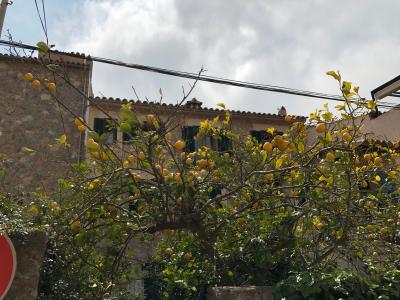
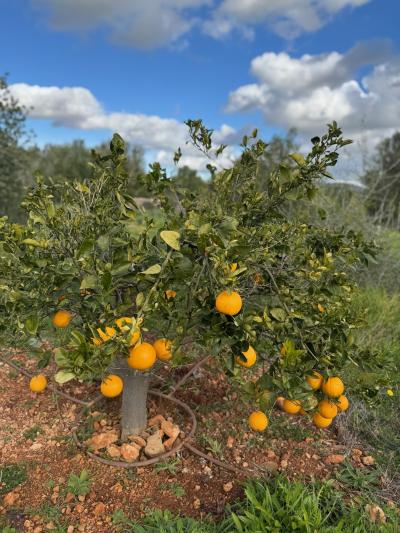
The island’s Mediterranean climate, with its hot, dry summers and mild, wetter winters, plays a vital role in shaping the character of local fruit. Warm daytime temperatures combined with cooler nights, especially in areas like the Serra de Tramuntana around Soller or Valldemossa, encourage a well-balanced development of sugars and acidity in crops. This diurnal variation ensures fruits such as Mallorcan figs, almonds, and oranges ripen with a distinctive sweetness and depth of flavor. The abundant sunshine across the bays near Alcudia and Pollenca further intensifies natural sugars, while seasonal rains in spring and autumn provide the necessary moisture for the orchards without waterlogging the roots.
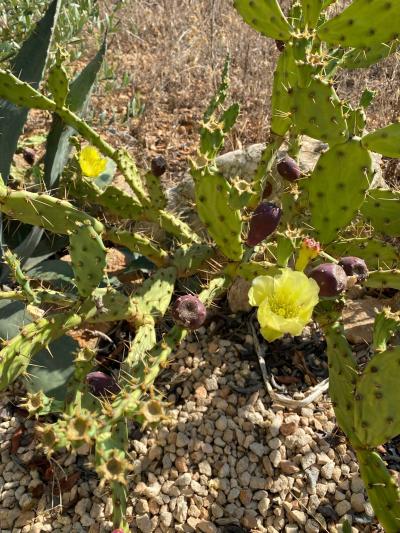
The island’s diverse soils contribute equally to fruit quality. Along the Ma-13 mountain road and the plains near Manacor, soils tend to be a mixture of limestone and clay, rich in minerals that lend subtle earthy and aromatic qualities to produce. In contrast, the sandy, well-drained soils by coastal coves like Cala Llombards enable vibrant, juicy fruits to flourish. Traditional farming methods here, often organic or biodynamic, help maintain nutrient-rich ground and foster biodiversity, qualities cherished in local staples such as sobrasada peppers and almonds. Together, Mallorca’s climate and soil create a terroir that imbues fruit with unique freshness and complexity, reflected in dishes like tumbet and paired perfectly with Binissalem wines or herbal liqueurs like Hierbas.
The island’s diverse soils contribute equally to fruit quality. Along the Ma-13 mountain road and the plains near Manacor, soils tend to be a mixture of limestone and clay, rich in minerals that lend subtle earthy and aromatic qualities to produce. In contrast, the sandy, well-drained soils by coastal coves like Cala Llombards enable vibrant, juicy fruits to flourish. Traditional farming methods here, often organic or biodynamic, help maintain nutrient-rich ground and foster biodiversity, qualities cherished in local staples such as sobrasada peppers and almonds. Together, Mallorca’s climate and soil create a terroir that imbues fruit with unique freshness and complexity, reflected in dishes like tumbet and paired perfectly with Binissalem wines or herbal liqueurs like Hierbas.

Esporles
More Fotos