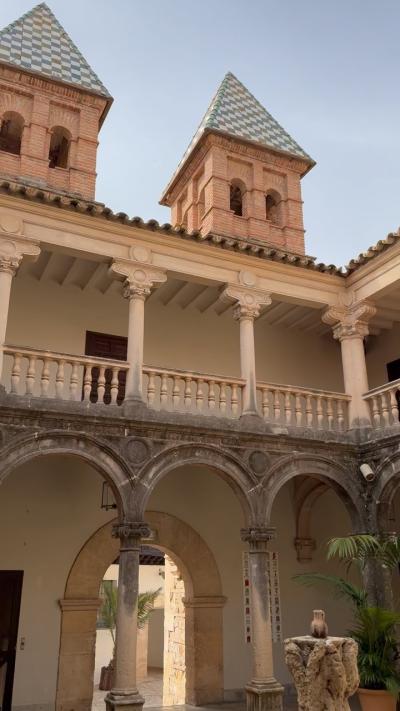
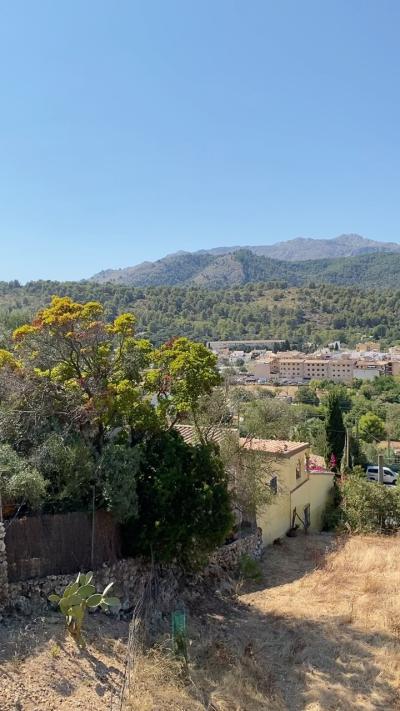
How did the geography of Mallorca influence the construction of these structures?
Similar Topics
Mallorca geography
Mallorca architecture
Tramuntana mountain range
coastal fortifications
Gothic cathedrals Palma
Moorish influences
traditional fincas
agricultural development Mallorca
Mallorca cultural heritage
island maritime culture
The geography of Mallorca, characterized by its rugged mountains, stunning coastline, and fertile plains, has played a significant role in shaping the island's architectural landscape. The Tramuntana mountain range, which runs along the northwest coast, provided natural materials such as stone, making it a practical choice for the construction of many traditional structures. The use of local limestone not only harmonizes buildings with the surrounding environment but also ensures their durability against the island's harsh weather conditions. Additionally, the mountains create a natural barrier that has historically influenced settlement patterns, with many towns and villages nestled in sheltered valleys, leading to a unique blend of architectural styles that reflect both practicality and the island’s cultural heritage.
Moreover, the coastal geography of Mallorca has led to the construction of numerous coastal fortifications and watchtowers throughout the centuries. These structures were strategically placed to guard against invasions from the sea, taking advantage of elevated positions that offered panoramic views of the horizon. The accessibility of the island's harbors facilitated trade and interaction with other cultures, which in turn influenced the architectural styles seen in major towns like Palma, where Gothic cathedrals and Moorish influences coexist beautifully. The interplay between land and sea has not only determined the location of these structures but also their design, reflecting both a need for defense and a celebration of the island’s maritime culture.
Furthermore, the island's fertile plains have encouraged agricultural development, leading to the construction of rural estates and traditional fincas. These structures often feature thick walls and small windows, designed to keep the interior cool during the hot summer months. As you explore the countryside, you’ll find that these buildings are often surrounded by lush orchards and farmland, showcasing the island's agricultural legacy. The geography of Mallorca, with its diverse landscapes, has thus not only influenced the materials and styles used in construction but also the functional aspects of these structures, creating a rich tapestry of history and culture that visitors can appreciate today.
Moreover, the coastal geography of Mallorca has led to the construction of numerous coastal fortifications and watchtowers throughout the centuries. These structures were strategically placed to guard against invasions from the sea, taking advantage of elevated positions that offered panoramic views of the horizon. The accessibility of the island's harbors facilitated trade and interaction with other cultures, which in turn influenced the architectural styles seen in major towns like Palma, where Gothic cathedrals and Moorish influences coexist beautifully. The interplay between land and sea has not only determined the location of these structures but also their design, reflecting both a need for defense and a celebration of the island’s maritime culture.
Furthermore, the island's fertile plains have encouraged agricultural development, leading to the construction of rural estates and traditional fincas. These structures often feature thick walls and small windows, designed to keep the interior cool during the hot summer months. As you explore the countryside, you’ll find that these buildings are often surrounded by lush orchards and farmland, showcasing the island's agricultural legacy. The geography of Mallorca, with its diverse landscapes, has thus not only influenced the materials and styles used in construction but also the functional aspects of these structures, creating a rich tapestry of history and culture that visitors can appreciate today.
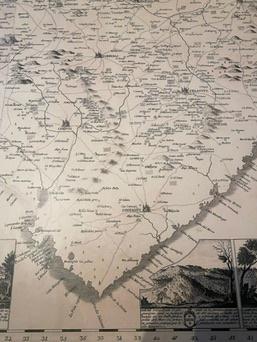
Sa Fonts Seca
More Fotos